
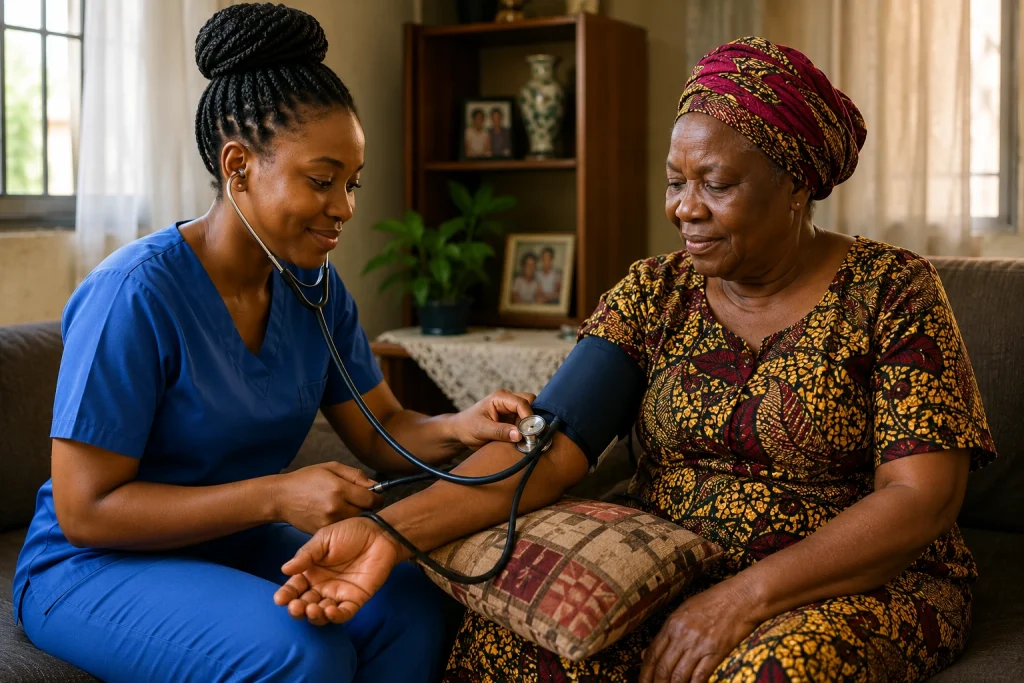
High blood pressure, also called hypertension, is one of the most common health conditions worldwide. Many people live with it for years without knowing because symptoms may not appear until complications develop.
That is why high blood pressure is often called the “silent killer.”
Understanding the signs and symptoms of high blood pressure can help support early detection and healthier living.
What Is High Blood Pressure?
High blood pressure happens when the force of blood pushing against artery walls remains consistently higher than normal.
Over time, uncontrolled blood pressure may affect the heart, brain, kidneys, and other parts of the body.
Common Signs and Symptoms of High Blood Pressure
While many people may not notice symptoms early, some warning signs can include:
Frequent Headaches
Persistent headaches may sometimes occur when blood pressure becomes significantly elevated.
Dizziness
Feeling lightheaded or unusually dizzy can happen in some cases.
Blurred Vision
Changes in vision may occur due to pressure affecting blood vessels.
Shortness of Breath
Some individuals may experience difficulty breathing during activities.
Chest Discomfort
Persistent chest discomfort should never be ignored.
Fatigue
Feeling unusually tired may sometimes accompany elevated blood pressure.
Nosebleeds
Frequent unexplained nosebleeds may occasionally occur.
Risk Factors for High Blood Pressure
Several factors may increase risk:
-
- Increasing age
-
- Physical inactivity
-
- Excess salt intake
-
- Obesity
-
- Smoking
-
- Stress
-
- Family history
Why Early Detection Matters
Monitoring blood pressure regularly supports earlier identification and better health management.
Routine blood pressure checks can help people understand changes before serious complications develop.
Tips to Support Healthy Blood Pressure
Stay Physically Active
Regular movement supports cardiovascular health.
Reduce Excess Salt Intake
Balanced nutrition supports healthier blood pressure levels.
Maintain Healthy Weight
Healthy lifestyle habits can support overall wellbeing.
Monitor Blood Pressure Regularly
Regular checks help track progress over time.
Attend Routine Health Assessments
Professional monitoring supports prevention and early action.
When Should You Seek Medical Advice?
Consider professional evaluation if you notice persistent symptoms or if blood pressure readings remain consistently elevated.
Final Thoughts
High blood pressure often develops quietly, making regular monitoring and awareness important. Understanding possible signs and symptoms may support earlier action and healthier living.
Contact Leo Beri’s Home Health Care Agency to learn more about professional health monitoring and home healthcare support.
