
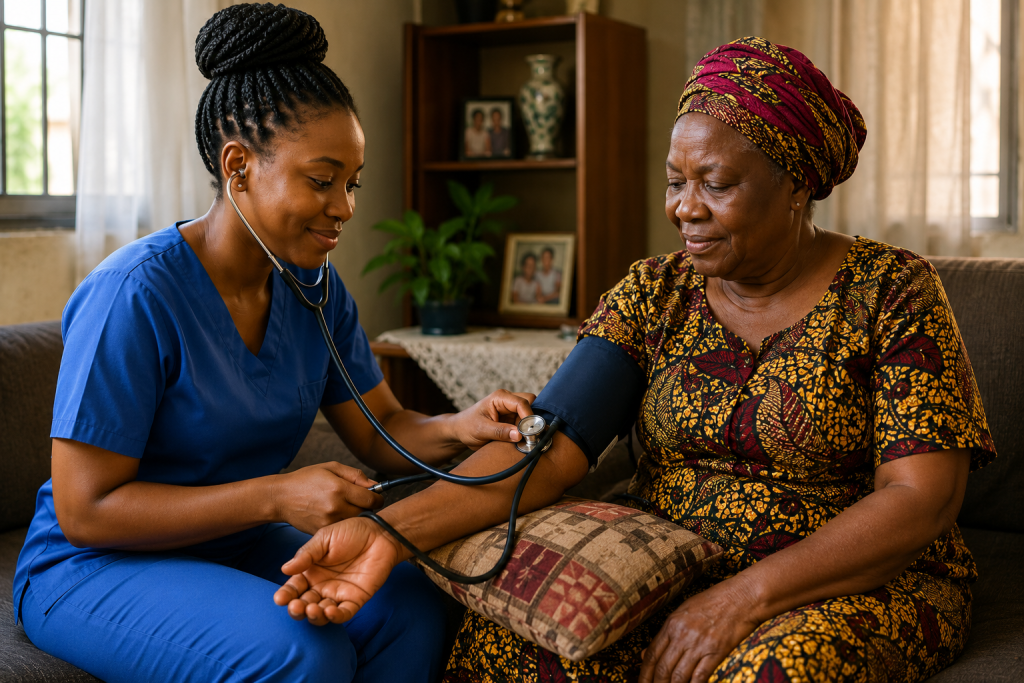
High blood sugar, also known as hyperglycemia, occurs when there is too much glucose (sugar) in the bloodstream. It is most commonly associated with diabetes, but it can also affect people who have not been diagnosed with the condition.
If left untreated, high blood sugar can damage the heart, kidneys, eyes, nerves, and blood vessels, increasing the risk of serious health complications. Understanding what causes high blood sugar is the first step toward preventing and managing it effectively.
In this guide, we’ll explore the most common causes of high blood sugar, the warning signs to watch for, and practical tips to help maintain healthy blood glucose levels.
What Is High Blood Sugar?
High blood sugar occurs when your body cannot properly use or produce enough insulin. Insulin is a hormone made by the pancreas that helps move glucose from your bloodstream into your body’s cells, where it is used for energy.
When insulin is lacking or does not work properly, glucose builds up in the blood instead of entering the cells.
Common Causes of High Blood Sugar
1. Diabetes
Diabetes is the leading cause of high blood sugar.
People with:
- Type 1 diabetes produce little or no insulin.
- Type 2 diabetes cannot use insulin effectively (insulin resistance).
- Gestational diabetes develops during pregnancy and causes elevated blood sugar levels.
Without proper management, blood glucose levels continue to rise.
2. Eating Too Many Refined Carbohydrates and Sugary Foods
Foods high in sugar and refined carbohydrates can quickly increase blood glucose levels.
Examples include:
- Soft drinks
- Cakes
- Sweets
- White bread
- White rice
- Pastries
- Sugary cereals
Frequent consumption of these foods increases the risk of persistent high blood sugar.
3. Lack of Physical Activity
Exercise helps your muscles use glucose for energy.
When you are physically inactive, your body becomes less efficient at using insulin, allowing blood sugar levels to rise.
Regular physical activity is essential for maintaining healthy blood glucose levels.
4. Missing Diabetes Medication or Insulin
People with diabetes who skip their medication or insulin injections are at high risk of developing elevated blood sugar.
Always take medications exactly as prescribed by your healthcare provider.
5. Stress
Physical and emotional stress can increase blood sugar.
During stress, the body releases hormones such as cortisol and adrenaline, which encourage the liver to release more glucose into the bloodstream.
Managing stress is an important part of diabetes care.
6. Illness or Infection
When your body is fighting an infection or illness, stress hormones increase naturally, making it harder for insulin to control blood sugar.
Common illnesses that may raise blood sugar include:
- Malaria
- Pneumonia
- Urinary tract infections
- COVID-19
- Influenza
People with diabetes should monitor their blood sugar more frequently when they are sick.
7. Certain Medications
Some medications may increase blood glucose levels.
Examples include:
- Corticosteroids
- Some diuretics
- Certain antipsychotic medications
- Some hormonal medications
Never stop taking prescribed medication without consulting your healthcare provider.
8. Poor Sleep
Not getting enough quality sleep can affect insulin sensitivity and increase blood sugar.
Adults should aim for 7–9 hours of quality sleep each night.
9. Hormonal Changes
Hormonal changes during:
- Pregnancy
- Menstruation
- Menopause
- Puberty
may temporarily increase blood sugar in some individuals.
10. Obesity and Excess Weight
Being overweight, especially around the abdomen, increases insulin resistance.
The harder insulin works, the more difficult it becomes to keep blood sugar within a healthy range.
Maintaining a healthy weight can significantly improve blood glucose control.
Symptoms of High Blood Sugar
High blood sugar may develop gradually. Common symptoms include:
- Frequent urination
- Increased thirst
- Increased hunger
- Blurred vision
- Fatigue
- Dry mouth
- Headaches
- Slow-healing wounds
- Unexplained weight loss
- Frequent infections
If you notice these symptoms regularly, seek medical evaluation.
Who Is at Risk of High Blood Sugar?
You may have a higher risk if you:
- Have a family history of diabetes.
- Are overweight or obese.
- Are physically inactive.
- Have high blood pressure.
- Have high cholesterol.
- Are over 45 years old.
- Previously had gestational diabetes.
- Eat a diet high in processed foods and sugary drinks.
How to Prevent High Blood Sugar
Eat a Balanced Diet
Choose:
- Whole grains
- Fruits
- Vegetables
- Lean proteins
- Healthy fats
Limit sugary drinks and processed foods.
Exercise Regularly
Aim for at least 150 minutes of moderate physical activity each week.
Walking, cycling, swimming, and dancing are excellent options.
Maintain a Healthy Weight
Even modest weight loss can improve insulin sensitivity and reduce blood sugar levels.
Monitor Your Blood Sugar
Regular blood glucose monitoring helps detect changes early and allows timely adjustments to treatment or lifestyle.
Stay Hydrated
Drinking enough water helps your kidneys remove excess glucose through urine and supports overall health.
Take Your Medication as Prescribed
If you have diabetes, never skip your medication or insulin without medical advice.
When Should You See a Healthcare Provider?
Seek medical attention if:
- Your blood sugar remains consistently high.
- You experience frequent symptoms of hyperglycemia.
- You have unexplained weight loss.
- You develop frequent infections or slow-healing wounds.
- You experience confusion, difficulty breathing, severe weakness, or persistent vomiting.
Early diagnosis and treatment can prevent serious complications.
Conclusion
High blood sugar can result from diabetes, unhealthy eating habits, physical inactivity, stress, illness, certain medications, and other lifestyle factors. Fortunately, many of these causes can be managed through healthy habits, regular monitoring, and appropriate medical care.
Recognizing the causes and symptoms of high blood sugar allows you to take action before complications develop. A balanced diet, regular exercise, proper medication use, and routine health checks are essential for maintaining healthy blood glucose levels.
At LEO BERI’S HOME HEALTH CARE AGENCY, we are committed to helping individuals and families manage diabetes through health education, blood sugar monitoring, home nursing care, and personalized healthcare services in Yaoundé, Cameroon. Our experienced healthcare professionals are here to support you on your journey to better health.
