
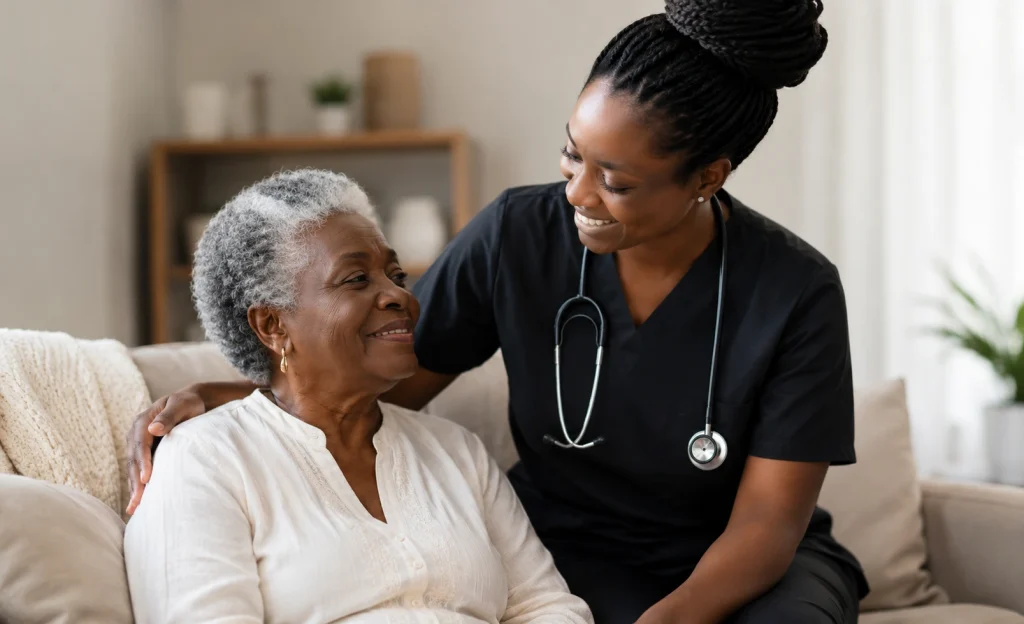
How to Care for a Patient After Hospital Discharge; Leaving the hospital is an important milestone, but recovery doesn’t end when a patient goes home. The first few days and weeks after hospital discharge are critical for healing, preventing complications, and reducing the risk of readmission.
Whether your loved one has undergone surgery, suffered a stroke, recovered from an illness, or is managing a chronic condition, proper home care can significantly improve recovery and overall health.
This guide explains how to safely care for a patient after hospital discharge and when to seek medical help.
Why Post-Hospital Care Is Important
Proper care at home helps to:
- Speed up recovery.
- Prevent infections.
- Reduce hospital readmissions.
- Ensure medications are taken correctly.
- Detect complications early.
- Improve the patient’s comfort and quality of life.
A well-planned recovery can make all the difference in a patient’s healing journey.
1. Understand the Discharge Instructions
Before leaving the hospital, make sure you clearly understand the healthcare provider’s instructions according to the NHS Social care support
These should include:
- Diagnosis.
- Medications.
- Follow-up appointments.
- Wound care instructions.
- Dietary recommendations.
- Physical activity restrictions.
- Warning signs to watch for.
Don’t hesitate to ask questions if anything is unclear.
2. Take Medications Exactly as Prescribed
Medication errors are one of the leading causes of hospital readmissions.
To stay on track:
- Follow the prescribed dosage and schedule.
- Never skip or double doses.
- Keep a medication timetable.
- Use a pill organizer if necessary.
- Do not stop medications without consulting a healthcare provider.
Report any unusual side effects immediately.
3. Keep the Patient’s Environment Safe
A safe home reduces the risk of falls and injuries.
Make sure to:
- Remove loose rugs and clutter.
- Keep walkways clear.
- Ensure good lighting.
- Install grab bars in bathrooms if needed.
- Use non-slip mats.
- Keep frequently used items within easy reach.
Patients recovering from surgery or stroke should never walk without assistance if they are unsteady.
4. Maintain Good Personal Hygiene
Good hygiene helps prevent infections and promotes comfort.
Assist the patient with:
- Daily bathing or sponge baths.
- Hand washing.
- Oral hygiene.
- Clean clothing.
- Regular bed linen changes.
Caregivers should wash their hands before and after providing care.
5. Follow Proper Wound Care Instructions
If the patient has a surgical wound or dressing:
- Keep the wound clean and dry.
- Change dressings as instructed.
- Wash your hands before touching the wound.
- Watch for signs of infection such as redness, swelling, warmth, pus, or foul-smelling discharge.
Never apply creams or herbal remedies unless recommended by a healthcare professional.
6. Encourage a Healthy Diet
Good nutrition supports healing and strengthens the immune system.
Include:
- Fruits and vegetables.
- Whole grains.
- Lean proteins.
- Healthy fats.
- Plenty of fluids unless fluid intake is restricted.
Patients recovering from surgery often require extra protein to support tissue repair.
7. Encourage Safe Physical Activity
Depending on the patient’s condition, gentle movement can improve recovery.
Activities may include:
- Short walks.
- Simple stretching exercises.
- Prescribed physiotherapy exercises.
- Deep breathing exercises.
Avoid strenuous activities until approved by the healthcare provider.
8. Monitor Vital Signs and Symptoms
Keep an eye on the patient’s condition by monitoring:
- Temperature.
- Blood pressure.
- Blood sugar (if diabetic).
- Heart rate.
- Oxygen levels (if advised).
Record these measurements and share them with the healthcare provider during follow-up visits.
9. Ensure Adequate Rest and Sleep
The body heals more effectively during rest.
Encourage the patient to:
- Get enough sleep.
- Take short daytime rests if needed.
- Avoid unnecessary stress.
- Maintain a comfortable sleeping environment.
10. Attend All Follow-Up Appointments
Follow-up visits allow healthcare providers to:
- Assess healing.
- Adjust medications.
- Remove stitches if necessary.
- Monitor recovery.
- Detect complications early.
Never skip scheduled appointments, even if the patient feels well.
Warning Signs That Require Immediate Medical Attention
Seek urgent medical care if the patient develops:
- Difficulty breathing.
- Chest pain.
- High fever.
- Severe bleeding.
- Confusion or loss of consciousness.
- Sudden weakness or numbness.
- Persistent vomiting.
- Severe pain not relieved by medication.
- Redness, swelling, or pus around a wound.
- Sudden swelling of the legs.
- Difficulty speaking or signs of a stroke.
Prompt medical attention can prevent life-threatening complications.
Emotional Support Is Part of Recovery
Many patients experience anxiety, fear, or depression after leaving the hospital.
You can help by:
- Listening patiently.
- Encouraging positive conversations.
- Involving family members.
- Celebrating small improvements.
- Being understanding and supportive.
Emotional well-being is just as important as physical healing.
When Should You Consider Professional Home Healthcare?
Professional home healthcare may be beneficial if the patient:
- Needs wound dressing.
- Requires injections or IV medications.
- Has limited mobility.
- Needs blood pressure or blood sugar monitoring.
- Is recovering from surgery.
- Has suffered a stroke.
- Requires elderly care.
- Needs medication management.
- Requires palliative or long-term care.
Qualified home healthcare professionals can provide expert care while allowing patients to recover comfortably at home.
Conclusion
Recovering after hospital discharge requires careful planning, patience, and consistent care. Following discharge instructions, taking medications correctly, maintaining good hygiene, eating a nutritious diet, staying active within safe limits, and attending follow-up appointments all contribute to a smoother recovery.
Families play a vital role, but professional home healthcare can provide additional support, especially for patients with complex medical needs or limited mobility.
At LEO BERI’S HOME HEALTH CARE AGENCY, we provide professional post-hospital home care services throughout Yaoundé, Cameroon. Our experienced nurses and caregivers offer wound care, medication administration, vital signs monitoring, elderly care, rehabilitation support, and personalized nursing services to help patients recover safely and comfortably in their own homes.
Your recovery doesn’t end at hospital discharge—it begins at home, and we’re here to support you every step of the way.
