
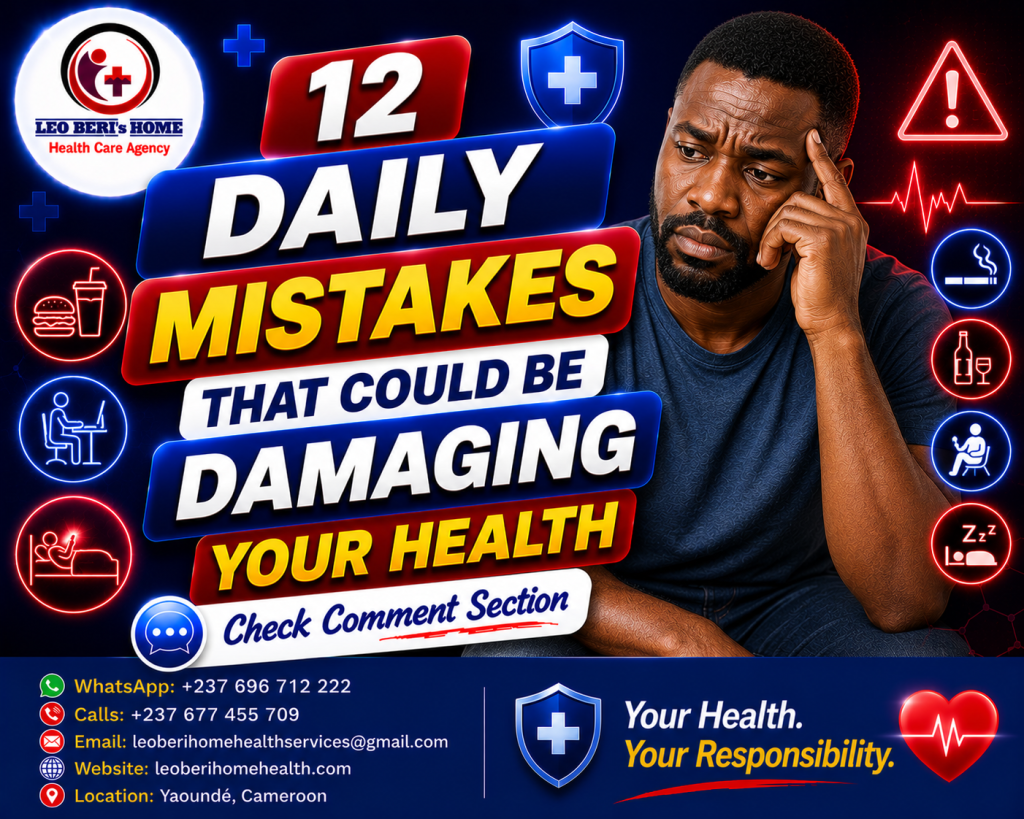
Many people unknowingly make small daily mistakes that can have a big impact on their long-term health. While these habits may seem harmless, they can increase the risk of high blood pressure, diabetes, heart disease, obesity, kidney disease, and other chronic illnesses.
The good news is that simple lifestyle changes can greatly improve your health and quality of life. Here are 12 daily mistakes that could be damaging your health and how to avoid them.
Why Healthy Daily Habits Matter
Your everyday choices affect your heart, brain, kidneys, bones, immune system, and overall well-being. Healthy habits not only help prevent disease but also improve energy levels, mental health, and longevity.
1. Skipping Breakfast Regularly
Missing breakfast can lead to low energy, poor concentration, overeating later in the day, and unhealthy food choices.
Choose a balanced breakfast that includes:
- Whole grains
- Eggs
- Fruits
- Low-fat dairy
- Healthy proteins
2. Drinking Too Little Water
Dehydration can cause:
- Fatigue
- Headaches
- Constipation
- Poor concentration
- Kidney problems
Aim to drink enough clean water throughout the day, especially in hot weather.
3. Sitting for Too Long
Spending many hours sitting increases the risk of:
- Obesity
- Heart disease
- Diabetes
- Poor blood circulation
- Back pain
Stand up, stretch, or walk for a few minutes every hour.
4. Eating Too Much Salt
Excess salt can increase your risk of:
- High blood pressure
- Stroke
- Heart disease
- Kidney disease
Reduce processed foods and avoid adding extra salt to every meal.
5. Eating Too Many Sugary Foods and Drinks
Frequent consumption of sugary foods may lead to:
- Weight gain
- Type 2 diabetes
- Tooth decay
- Fatty liver disease
Choose water or unsweetened drinks instead of sugary beverages whenever possible.
6. Not Getting Enough Sleep
Adults generally need 7–9 hours of quality sleep each night.
Poor sleep can increase the risk of:
- High blood pressure
- Depression
- Obesity
- Diabetes
- Poor memory
Maintain a regular sleep schedule and limit screen time before bed.
7. Ignoring Regular Exercise
A lack of physical activity weakens the heart, muscles, and bones.
Aim for at least 150 minutes of moderate physical activity each week, such as:
- Walking
- Cycling
- Swimming
- Dancing
Regular exercise also helps reduce stress and improve mood.
8. Smoking or Using Tobacco
Smoking damages nearly every organ in the body and increases the risk of:
- Lung disease
- Heart disease
- Stroke
- Cancer
- Chronic obstructive pulmonary disease (COPD)
Quitting smoking is one of the best decisions you can make for your health.
9. Drinking Too Much Alcohol
Excessive alcohol consumption can contribute to:
- Liver disease
- High blood pressure
- Heart disease
- Certain cancers
- Mental health problems
If you choose to drink alcohol, do so in moderation according to your healthcare provider’s advice.
10. Ignoring Mental Health
Chronic stress, anxiety, and depression can affect both physical and emotional health.
Support your mental well-being by:
- Talking to someone you trust
- Exercising regularly
- Getting enough sleep
- Taking time to relax
- Seeking professional help when needed
Mental health is an essential part of overall health.
11. Delaying Medical Check-Ups
Many serious conditions, such as high blood pressure, diabetes, kidney disease, and high cholesterol, may develop without obvious symptoms.
Routine health screenings help detect these conditions early, when treatment is often most effective.
12. Self-Medicating Without Professional Advice
Taking antibiotics, painkillers, or herbal remedies without proper guidance can be harmful.
Self-medication may:
- Delay the correct diagnosis.
- Cause side effects.
- Lead to antibiotic resistance.
- Interact with other medications.
Always consult a qualified healthcare provider before starting new medications or supplements.
How to Build Healthier Daily Habits
Simple changes can make a big difference:
- Eat a balanced diet rich in fruits and vegetables.
- Stay hydrated.
- Exercise regularly.
- Sleep well every night.
- Avoid smoking.
- Limit alcohol.
- Manage stress.
- Maintain a healthy weight.
- Attend regular medical check-ups.
- Follow prescribed medications correctly.
Small improvements made consistently often lead to lasting health benefits.
When Should You See a Healthcare Provider?
Book a medical check-up if you experience:
- Persistent fatigue.
- Frequent headaches.
- Unexplained weight changes.
- High blood pressure.
- High blood sugar.
- Chest pain.
- Shortness of breath.
- Swollen feet.
- Persistent pain.
- Any symptoms that do not improve.
Regular health assessments can detect problems before they become serious.
Conclusion
Many chronic diseases develop because of everyday habits that seem harmless. Skipping meals, drinking too little water, eating too much salt and sugar, sitting for long periods, neglecting exercise, and avoiding regular health check-ups can gradually damage your health.
By making healthier choices each day, you can reduce your risk of chronic illnesses, improve your energy, and enjoy a longer, healthier life.
At LEO BERI’S HOME HEALTH CARE AGENCY, we are committed to promoting healthy living through preventive healthcare, home nursing services, chronic disease management, blood pressure monitoring, diabetes care, elderly care, and health education throughout Yaoundé, Cameroon. Our experienced healthcare professionals are here to help you and your family achieve better health—one healthy habit at a time.

Thank you very much.
This was very helpful 🙂
Thanks for passing by Miles
Thank you. This is helpful.
We know most of these but unfortunately, we are neglectful at times.
Thank you so much for passing by, happy you got value