
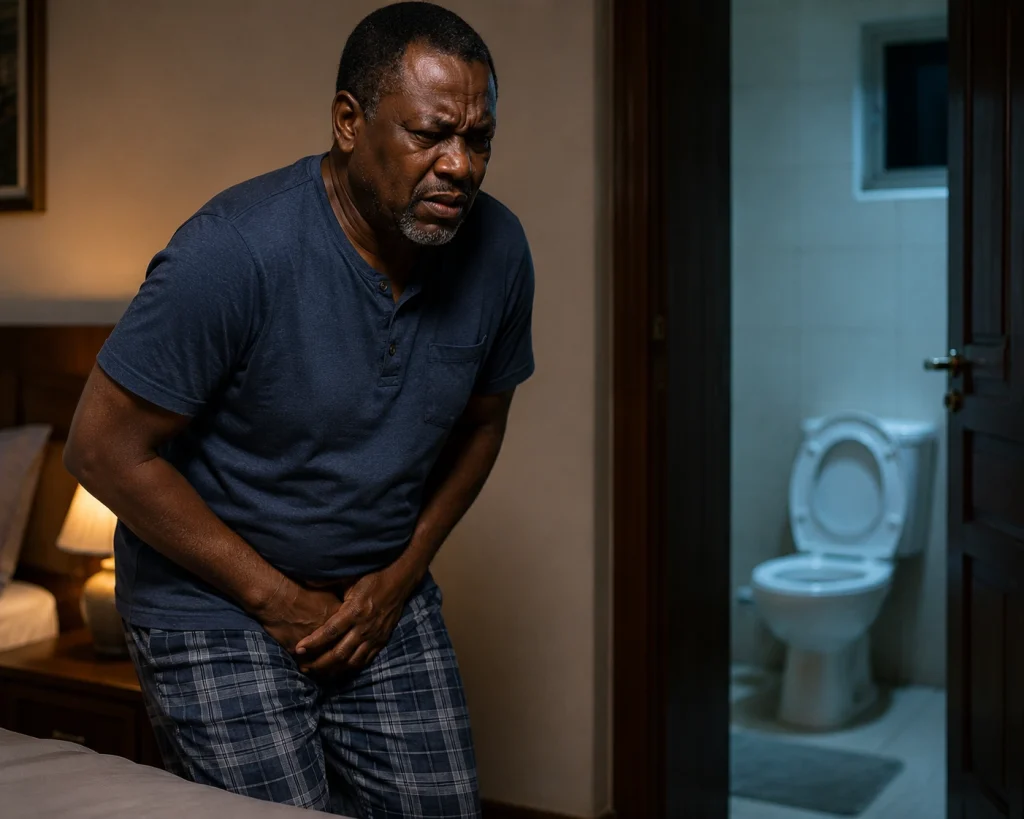
The prostate is a small gland located below the bladder in men. Although it is about the size of a walnut, it plays an important role in the male reproductive system by producing fluid that nourishes and transports sperm.
As men grow older, prostate problems become increasingly common. Unfortunately, many men ignore the early symptoms, assuming they are a normal part of aging. While some prostate conditions are harmless, others can become serious if left untreated.
Recognizing the early signs of prostate problems can lead to early diagnosis, effective treatment, and a better quality of life.
What Are the Common Prostate Problems?
The three most common prostate conditions are:
-
- Benign Prostatic Hyperplasia (BPH): Enlargement of the prostate that is not cancer.
-
- Prostatitis: Inflammation or infection of the prostate gland.
-
- Prostate Cancer: One of the most common cancers affecting men, especially after the age of 50.
Although these conditions differ, they often share similar symptoms.
1. Frequent Urination
One of the earliest signs of prostate problems is needing to urinate more often than usual.
You may notice:
-
- Frequent trips to the bathroom during the day.
-
- Waking up several times at night to urinate (nocturia).
-
- Difficulty going for long periods without urinating.
2. Difficulty Starting Urination
A man with an enlarged or inflamed prostate may find it difficult to begin passing urine.
You may:
-
- Stand at the toilet waiting for urine to start.
-
- Need to strain before urine flows.
This should not be ignored, especially if it becomes more frequent.
3. Weak or Slow Urine Stream
As the prostate enlarges, it can press against the urethra, reducing the flow of urine.
Signs include:
-
- Weak urine stream.
-
- Slow flow.
-
- Interrupted urine flow.
-
- Dribbling after urination.
4. Feeling That the Bladder Is Not Completely Empty
After urinating, you may still feel as though there is urine left in the bladder.
This can lead to repeated attempts to urinate shortly afterward.
5. Pain or Burning During Urination
Pain while urinating is more commonly associated with prostatitis or a urinary tract infection.
Do not ignore burning or painful urination, especially if it is accompanied by fever or pelvic pain.
6. Blood in the Urine or Semen
Blood in the urine or semen is never normal.
Although it does not always mean cancer, it requires immediate medical evaluation.
7. Pain in the Lower Back, Pelvis, or Hips
Persistent pain in the:
-
- Lower back.
-
- Pelvic area.
-
- Groin.
-
- Hips.
may be associated with prostate disease, particularly if it is accompanied by urinary symptoms.
8. Painful Ejaculation
Some men experience discomfort or pain during or after ejaculation.
This symptom may occur with prostatitis or other prostate conditions and should be discussed with a healthcare provider.
9. Sudden Urgency to Urinate
You may develop a strong, sudden urge to urinate that is difficult to control.
In some cases, leakage of urine may occur before reaching the bathroom.
10. Difficulty Emptying the Bladder
In advanced cases, the prostate may block urine flow almost completely.
This can result in:
-
- Severe difficulty passing urine.
-
- Painful bladder fullness.
-
- Complete inability to urinate.
This is a medical emergency and requires immediate treatment.
Who Is Most at Risk?
The risk of prostate problems increases if you:
-
- Are over 50 years old.
-
- Have a family history of prostate disease.
-
- Are overweight or obese.
-
- Eat a diet high in saturated fat and processed foods.
-
- Do not exercise regularly.
-
- Smoke.
-
- Have diabetes or high blood pressure.
Men of African ancestry are at a higher risk of developing prostate cancer and may develop it at a younger age, making regular screening especially important.
How to Keep Your Prostate Healthy
Have Regular Prostate Check-Ups
Routine prostate examinations and appropriate screening tests help detect problems early, especially for men aged 50 years and above, or earlier if you have a higher risk.
Eat a Healthy Diet
Include:
-
- Tomatoes (rich in lycopene).
-
- Leafy green vegetables.
-
- Fruits.
-
- Whole grains.
-
- Fish rich in omega-3 fatty acids.
-
- Nuts and seeds.
Reduce processed meats, excessive red meat, and high-fat foods.
Exercise Regularly
Aim for at least 150 minutes of moderate physical activity every week to maintain a healthy weight and support prostate health.
Drink Enough Water
Adequate hydration supports urinary tract health, but reducing fluids a few hours before bedtime may help decrease nighttime urination.
Avoid Smoking and Limit Alcohol
Smoking and excessive alcohol consumption can negatively affect overall health and may increase the risk of chronic diseases.
When Should You See a Healthcare Provider?
Seek medical attention if you experience:
-
- Frequent urination.
-
- Difficulty passing urine.
-
- Weak urine stream.
-
- Blood in urine or semen.
-
- Persistent pelvic or back pain.
-
- Pain during urination or ejaculation.
-
- Inability to urinate.
-
- Unexplained weight loss or persistent bone pain.
Early diagnosis can prevent complications and improve treatment outcomes.
Can Prostate Problems Be Treated?
Yes. Treatment depends on the underlying cause and may include:
-
- Lifestyle changes.
-
- Medications.
-
- Antibiotics for bacterial prostatitis.
-
- Minimally invasive procedures.
-
- Surgery.
-
- Active surveillance for selected cases.
-
- Radiation therapy or other treatments for prostate cancer when appropriate.
Early diagnosis usually offers more treatment options and better results.
Conclusion
Prostate problems are common, particularly as men age, but they should never be ignored. Symptoms such as frequent urination, difficulty starting urination, weak urine flow, blood in the urine, and pelvic pain are warning signs that require medical evaluation.
Regular prostate check-ups, healthy lifestyle habits, and early treatment can help prevent complications and improve long-term health.
Men who require ongoing health monitoring or support at home can also explore our home healthcare services in Yaoundé.
Men should also be aware of other common health conditions, including high blood pressure and diabetes.
At LEO BERI’S HOME HEALTH CARE AGENCY, we are committed to promoting men’s health through health education, blood pressure and blood sugar monitoring, home nursing care, chronic disease management, and preventive healthcare services throughout Yaoundé, Cameroon. If you notice any symptoms of prostate problems, seek medical advice promptly—early detection saves lives.
