
Breast cancer is one of the most important health conditions affecting women worldwide. It can occur in every country and at different ages, and although outcomes have improved in many places, major differences remain in access to early diagnosis and effective treatment.
In 2024, an estimated 2.4 million women were diagnosed with breast cancer worldwide, while about 694,000 died from the disease. Breast cancer was the most common cancer among women in 164 of 186 countries that year. World Health Organization (WHO)
Breast cancer also affects families. A diagnosis may involve medical treatment, emotional stress, changes in daily life and the need for practical support from relatives and caregivers.
Understanding the possible signs, risk factors and importance of timely medical assessment can help people make informed decisions about their health.
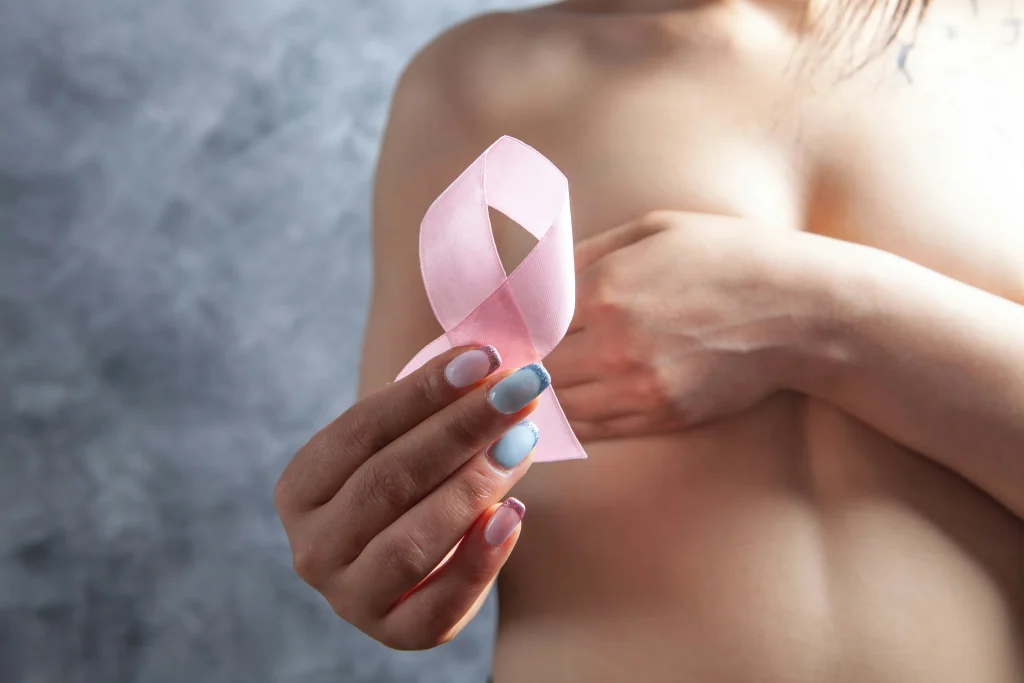
What Is Breast Cancer?
Breast cancer develops when abnormal cells in the breast grow without normal control. These cells can form a tumour.
Some breast cancers remain in the breast. Others can spread into nearby tissues or lymph nodes. In more advanced cases, cancer can spread to other parts of the body.
Breast cancer is not one single disease. Different types can behave differently. Doctors use tests to identify the type and stage before recommending treatment.
Treatment may include surgery, radiation therapy, chemotherapy, hormone therapy, targeted medicines, or a combination of these options. The treatment plan depends on the type of cancer, its stage, and the person’s overall situation.
How Common Is Breast Cancer?
Breast cancer remains a major global health concern.
In 2024, about 2.4 million women were diagnosed with breast cancer worldwide. About 694,000 people died from the disease that year.
WHO also reports that breast cancer was the most common cancer among women in 164 of 186 countries in 2024. It occurs in every country and can affect women after puberty, with risk increasing with age.
The burden is not the same in every country. Access to early diagnosis, cancer specialists, medicines, surgery, radiation therapy, and follow-up care can affect outcomes.
Breast Cancer in Cameroon
Breast cancer is also an important health issue in Cameroon.
According to the International Agency for Research on Cancer’s GLOBOCAN 2022 estimates, Cameroon recorded about 4,207 new breast cancer cases among females in 2022. Breast cancer ranked first among cancers affecting women by number of new cases.
These figures highlight why breast health awareness matters.
Women should not ignore a new breast change simply because there is no pain. A painless lump can still require medical assessment.
Authoritative source: IARC GLOBOCAN 2022 — Cameroon Cancer Fact Sheet
What Are the Signs and Symptoms of Breast Cancer?
Breast cancer can cause different changes. Some people have no obvious symptoms in the early stages.
Possible warning signs include:
- A new lump in the breast.
- Thickening in part of the breast.
- A change in breast size or shape.
- Dimpling or changes in the skin.
- Redness or unusual skin changes.
- A change in the appearance of the nipple.
- Nipple discharge that is unusual or bloody.
- Swelling in part or all of the breast.
- A change that does not go away.
A breast lump does not automatically mean cancer. Many breast lumps are caused by conditions that are not cancerous.
However, a new or unusual breast change should be assessed by a qualified healthcare professional. Do not wait for pain before seeking help.
Image 2 — Suggested Body Image
Image: A Black African woman calmly checking her breast health while standing in front of a mirror.
Alt text: Breast cancer awareness and breast health self-check
Does a Breast Lump Always Mean Cancer?
No.
Many breast lumps are not cancerous. They can have several causes.
However, it is not possible to determine the cause of a new lump simply by touching it.
A healthcare professional may recommend an examination and further tests. Depending on the situation, these may include imaging or a biopsy.
This is why people should avoid diagnosing a breast lump at home.
If you notice a new lump, arrange a medical assessment.
Who Is at Risk of Breast Cancer?
Several factors can increase the risk of breast cancer.
However, having a risk factor does not mean that someone will develop cancer. Likewise, having no known risk factors does not guarantee that someone will never develop the disease.
WHO notes that about 80% of breast cancers occur in women who have no specific risk factors other than sex and age.
Age
The risk of breast cancer generally increases with age.
This does not mean younger women cannot develop breast cancer. Breast cancer can occur after puberty, so unusual changes should not be ignored because of age.
Family History
Having a close relative with breast cancer can increase risk.
However, many women diagnosed with breast cancer do not have a known family history.
A woman with a strong family history should discuss her personal risk with a healthcare professional.
Inherited Gene Changes
Some inherited gene changes can increase breast cancer risk.
Examples include changes involving BRCA1, BRCA2, and PALB2.
People with a strong family history may sometimes be offered genetic counselling or testing. The decision depends on personal and family circumstances.
Previous Radiation Exposure
Previous exposure to radiation involving the chest can increase breast cancer risk in some people.
This includes certain medical radiation treatments received earlier in life.
Hormonal and Reproductive Factors
Some hormonal and reproductive factors can influence breast cancer risk.
These include aspects of menstrual and reproductive history and certain hormone therapies.
A healthcare professional can help explain how individual factors affect personal risk.
Alcohol Use
Alcohol consumption is associated with an increased risk of breast cancer.
Reducing alcohol intake can be one way to lower this risk.
Physical Inactivity and Excess Body Weight
Physical inactivity and excess body weight after menopause are also associated with increased risk.
Regular physical activity supports general health and can help people maintain a healthy weight.
WHO identifies increasing age, obesity, alcohol use, family history, radiation exposure, reproductive history, tobacco use, and some hormone therapy as factors associated with breast cancer risk.
Can Men Get Breast Cancer?
Yes.
Breast cancer can affect men, although it is uncommon.
WHO estimates that about 0.5% to 1% of breast cancers occur in men.
A man should also seek medical assessment if he notices an unusual breast lump, nipple change, or other persistent breast abnormality.
Breast symptoms should not be ignored simply because breast cancer is more common in women.
How Is Breast Cancer Diagnosed?
A healthcare professional begins by reviewing the person’s symptoms and medical history.
They may also perform a clinical breast examination.
Further testing may be needed. Depending on the situation, this can include breast imaging and a biopsy.
A biopsy involves taking a small sample of tissue for laboratory examination. It can help doctors determine whether cancer cells are present and identify important features of the tumour.
The exact tests depend on the person’s symptoms and clinical situation.
A diagnosis should come from qualified healthcare professionals rather than from symptoms alone.
Breast Cancer Screening and Early Detection
Screening and early diagnosis are not exactly the same.
Screening looks for disease in people who may not have symptoms.
Early diagnosis begins when someone notices a possible abnormality and seeks medical assessment promptly.
Both approaches can support earlier detection.
WHO emphasizes the importance of early diagnosis, timely treatment, and access to appropriate cancer care.
Screening recommendations can differ according to age, risk level, healthcare system, and available resources.
For this reason, women should discuss appropriate screening with a qualified healthcare professional rather than following a single schedule found online.
Can Breast Cancer Be Prevented?
There is no guaranteed way to prevent every case of breast cancer.
Some risk factors cannot be changed. These include age, sex, and certain inherited genetic factors.
However, some lifestyle choices can support lower cancer risk and better overall health.
Helpful steps may include:
- Staying physically active.
- Maintaining a healthy body weight.
- Limiting alcohol.
- Avoiding tobacco use.
- Following appropriate screening recommendations.
- Seeking medical attention for unusual breast changes.
It is also important to remember that many people who develop breast cancer have no known modifiable risk factor other than sex and age. Therefore, prevention should not create a false sense of blame.
What Happens After a Breast Cancer Diagnosis?
A breast cancer diagnosis can feel overwhelming.
The next steps usually involve more testing and discussions with the cancer care team.
Doctors may determine:
- The type of breast cancer.
- The size of the tumour.
- Whether nearby lymph nodes are involved.
- Whether the cancer has spread.
- Certain biological features of the cancer.
These findings help guide treatment.
Treatment can include surgery, radiation therapy, chemotherapy, hormone therapy, targeted medicines, or combinations of these treatments.
Patients should ask their healthcare team questions about their diagnosis and treatment plan. Taking a trusted family member to appointments can also provide emotional and practical support.
Supporting Someone With Breast Cancer at Home
Cancer treatment can affect many areas of daily life.
A person may need help with meals, transportation, medication routines, appointments, household tasks, or personal care.
Family members can provide support without taking away the person’s independence.
Simple actions can make a difference:
- Listen without judging.
- Help with practical tasks.
- Keep track of appointments.
- Encourage appropriate follow-up care.
- Help the person follow the treatment plan.
- Watch for changes that should be reported to the healthcare team.
- Provide emotional support.
Some people may also need professional nursing support at home.
If your loved one needs professional support after treatment or during recovery, you can learn more about home nursing care in Yaoundé.
Caring for a Loved One With Breast Cancer in Yaoundé
Families in Yaoundé may need additional support when a loved one is recovering at home.
Home healthcare may be useful when a person needs help with health monitoring, medication support, wound care, personal care, recovery, or other appropriate nursing needs.
Leo Beri’s Home Health Care Agency provides home health care services in Yaoundé for individuals and families who need professional support at home.
Families may also explore elderly home health care in Yaoundé when an older adult needs broader support with daily care and health monitoring.
Home care does not replace cancer treatment. It supports the person’s needs at home while they continue to receive appropriate medical care.
What If Your Loved One Lives in Cameroon and You Live Abroad?
Distance can make caregiving difficult.
A daughter may live in Europe. A son may live in the United States. Another family member may live elsewhere in Africa.
Meanwhile, their mother, father, spouse, or relative may be recovering at home in Cameroon.
International families may need a trusted person or healthcare team who can provide appropriate support locally.
Professional home healthcare can help families coordinate practical care while staying connected with their loved one’s needs.
If you live abroad and need to discuss home healthcare for a loved one in Yaoundé, you can contact Leo Beri’s Home Health Care Agency to discuss the situation and available services.
When Should You Seek Medical Attention?
Do not ignore a new or unusual breast change.
Seek medical attention if you notice:
- A new breast lump.
- Persistent breast thickening.
- A change in breast size or shape.
- Skin dimpling or unusual skin changes.
- A new nipple change.
- Unusual or bloody nipple discharge.
- Another breast change that concerns you.
You do not need to wait until the change becomes painful.
Most breast lumps are not cancer. However, only an appropriate medical assessment can help determine the cause.
Frequently Asked Questions About Breast Cancer
What is the most common sign of breast cancer?
A new breast lump or thickening is one possible sign. However, breast cancer can also cause changes in breast size, shape, skin, or nipple appearance.
Can breast cancer be painless?
Yes.
A breast cancer lump may not hurt. This is why a painless lump should not automatically be ignored.
Can men develop breast cancer?
Yes.
Men can develop breast cancer, although it is much less common than in women.
Does having a family history mean I will develop breast cancer?
No.
Family history can increase risk, but it does not mean that a person will definitely develop breast cancer.
Can breast cancer be treated?
Yes.
Treatment options depend on the type and stage of cancer. Treatment may include surgery, radiation therapy, chemotherapy, hormone therapy, targeted therapy, or combinations of these approaches.
What should I do if I find a breast lump?
Arrange a medical assessment.
Do not try to determine whether the lump is cancerous based on how it feels. A healthcare professional can decide whether further testing is needed.
Final Thoughts
Breast cancer awareness is not about creating fear.
It is about knowing what changes to look for and understanding when to seek professional medical advice.
A new breast lump, skin change, nipple change, or unusual discharge deserves attention.
Early diagnosis can improve the opportunity for effective treatment. Families can also play an important role by encouraging loved ones to seek care and by providing practical support during treatment and recovery.
For families in Cameroon and those living abroad with loved ones in Yaoundé, professional home healthcare can provide additional support during recovery and ongoing care.
About Leo Beri’s Home Health Care Agency
Lionnel Berinyuy
Medical Consultant | RN/RM | Tutor
13 years of healthcare experience
Leo Beri’s Home Health Care Agency
Yaoundé, Cameroon
Our agency provides professional home healthcare support for individuals and families in Yaoundé, including home nursing, elderly care, post-hospital recovery, health monitoring, medication support, wound care, and caregiver support.
Medical Disclaimer
This article is intended for general health education. It does not replace an examination, diagnosis, or treatment from a qualified healthcare professional.
If you have a new breast lump or another unusual breast change, seek appropriate medical assessment.
