
Can Hypertension Be Cured?
If you’ve recently been diagnosed with high blood pressure, one of the first questions you may ask is, “Can hypertension be cured?” The answer depends on the underlying cause of your condition. In most cases, hypertension cannot be permanently cured, but it can be effectively controlled through healthy lifestyle changes, regular monitoring, and medication when necessary.
Millions of people around the world live with hypertension, often without knowing they have it because it usually causes no symptoms in its early stages. That’s why hypertension is often called the “silent killer.” Understanding whether can hypertension be cured is a common concern, and knowing how to manage the condition can significantly reduce your risk of heart disease, stroke, kidney disease, and other serious health complications.
What Is Hypertension?
Hypertension, also known as high blood pressure, occurs when the force of blood pushing against the walls of your arteries remains consistently too high. Over time, this extra pressure damages blood vessels and increases the workload on your heart.
Blood pressure is measured using two numbers:
- Systolic pressure: The pressure when your heart beats.
- Diastolic pressure: The pressure when your heart rests between beats.
A normal blood pressure is generally considered to be below 120/80 mmHg, while consistently elevated readings may indicate hypertension.
Can Hypertension Be Cured Permanently?
Primary Hypertension
For most people, the answer to can hypertension be cured is no. About 90–95% of cases are known as primary (essential) hypertension, meaning there is no single identifiable cause. This type develops gradually over many years and usually requires lifelong management rather than a permanent cure.
The good news is that primary hypertension can often be controlled so effectively that blood pressure remains within a healthy range.
Secondary Hypertension
Some people have secondary hypertension, which is caused by an underlying medical condition or medication. Examples include:
- Kidney disease
- Hormonal disorders
- Certain medications
- Sleep apnea
- Narrowing of the kidney arteries
If the underlying cause is successfully treated, blood pressure may return to normal. In these situations, hypertension may be reversible.
Why Is Hypertension Called the Silent Killer?
One of the biggest dangers of hypertension is that it often causes no noticeable symptoms until serious damage has already occurred.
Many people feel completely healthy while their blood pressure remains dangerously high. Without regular blood pressure checks, hypertension may go undetected for years.
What Happens If Hypertension Is Left Untreated?
Uncontrolled hypertension can damage nearly every organ in the body.
Heart Problems
High blood pressure increases the risk of:
- Heart attack
- Heart failure
- Enlarged heart
- Irregular heartbeat
Stroke
Hypertension is one of the leading causes of stroke because it damages blood vessels supplying the brain.
Kidney Disease
The kidneys contain tiny blood vessels that filter waste from the blood. Persistent high blood pressure can damage these vessels, reducing kidney function over time.
Vision Loss
Hypertension can damage the blood vessels in the eyes, leading to blurred vision or even permanent vision loss.
Dementia
Long-term uncontrolled hypertension may reduce blood flow to the brain, increasing the risk of cognitive decline and vascular dementia.
How Can Hypertension Be Controlled?
Although the answer to can hypertension be cured is usually no, it can often be controlled successfully.
Eat a Heart-Healthy Diet
A healthy diet can help lower blood pressure naturally.
Choose more:
- Fruits
- Vegetables
- Whole grains
- Beans
- Fish
- Lean meats
- Low-fat dairy products
Reduce:
- Salt
- Processed foods
- Sugary drinks
- Saturated fats
Exercise Regularly
Regular physical activity strengthens the heart and improves circulation.
Aim for at least 150 minutes of moderate exercise each week, such as:
- Brisk walking
- Cycling
- Swimming
- Dancing
Always consult your healthcare provider before beginning a new exercise program.
Maintain a Healthy Weight
Losing excess weight reduces strain on the heart and can significantly improve blood pressure control.
Even modest weight loss can make a meaningful difference.
Reduce Salt Intake
Eating too much sodium causes the body to retain water, increasing blood pressure.
Choose fresh foods whenever possible and limit processed meals.
Avoid Smoking
Smoking damages blood vessels and greatly increases the risk of heart attack and stroke in people with hypertension.
Quitting smoking benefits your cardiovascular health almost immediately.
Limit Alcohol
Drinking excessive alcohol may increase blood pressure and interfere with blood pressure medications.
Moderation is important.
Manage Stress
Long-term stress may contribute to unhealthy habits that increase blood pressure.
Healthy stress-management techniques include:
- Deep breathing
- Meditation
- Prayer
- Physical activity
- Spending time with family and friends
Take Medications as Prescribed
Some people can control blood pressure through lifestyle changes alone, while others require medication.
Never stop taking prescribed blood pressure medicine without consulting your healthcare provider, even if your readings improve.
Why Regular Blood Pressure Monitoring Matters
Monitoring your blood pressure helps:
- Detect hypertension early.
- Assess treatment effectiveness.
- Identify dangerous increases.
- Reduce the risk of complications.
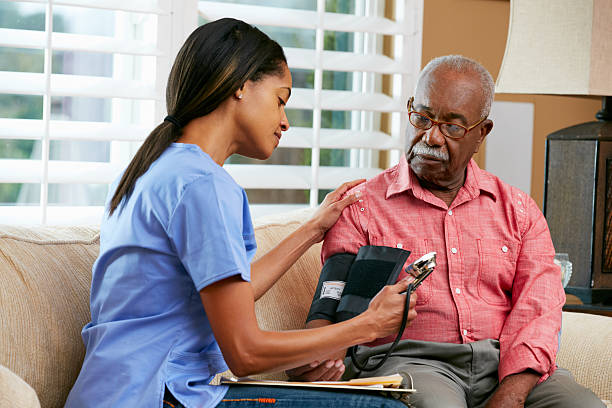
Home blood pressure monitoring is especially valuable for people living with hypertension.
Who Is at Higher Risk of Hypertension?
You are more likely to develop high blood pressure if you:
- Are over 40 years old.
- Have a family history of hypertension.
- Are overweight or obese.
- Eat too much salt.
- Smoke.
- Drink excessive alcohol.
- Exercise very little.
- Have diabetes.
- Have kidney disease.
- Experience chronic stress.
Knowing your risk factors allows you to take preventive action early.
Can Hypertension Be Prevented?
Not all cases can be prevented, but many can.
Healthy habits include:
- Eating a balanced diet.
- Exercising regularly.
- Maintaining a healthy weight.
- Limiting salt intake.
- Avoiding tobacco.
- Drinking alcohol in moderation.
- Managing stress.
- Having regular blood pressure checks.
These habits also help protect against heart disease and stroke.
When Should You See a Healthcare Professional?
Seek medical advice if you:
- Frequently record blood pressure readings of 140/90 mmHg or higher.
- Experience severe headaches.
- Develop blurred vision.
- Feel chest pain.
- Have difficulty breathing.
- Notice sudden weakness or numbness.
- Experience dizziness or fainting.
Early diagnosis and treatment can prevent life-threatening complications.
Conclusion
So, can hypertension be cured? For most people, the answer is no, but it can be controlled successfully with healthy lifestyle choices, regular blood pressure monitoring, and medication when needed. People with secondary hypertension may see their blood pressure return to normal if the underlying cause is treated.
The most important step is not to ignore high blood pressure. Regular check-ups and early treatment can dramatically reduce your risk of heart attack, stroke, kidney disease, and other complications.
At LEO BERI’S HOME HEALTH CARE AGENCY, we provide professional home blood pressure monitoring, hypertension management, medication support, chronic disease management, patient education, and home nursing services throughout Yaoundé, Cameroon. Our experienced healthcare team is committed to helping you take control of your blood pressure and live a healthier life.
