
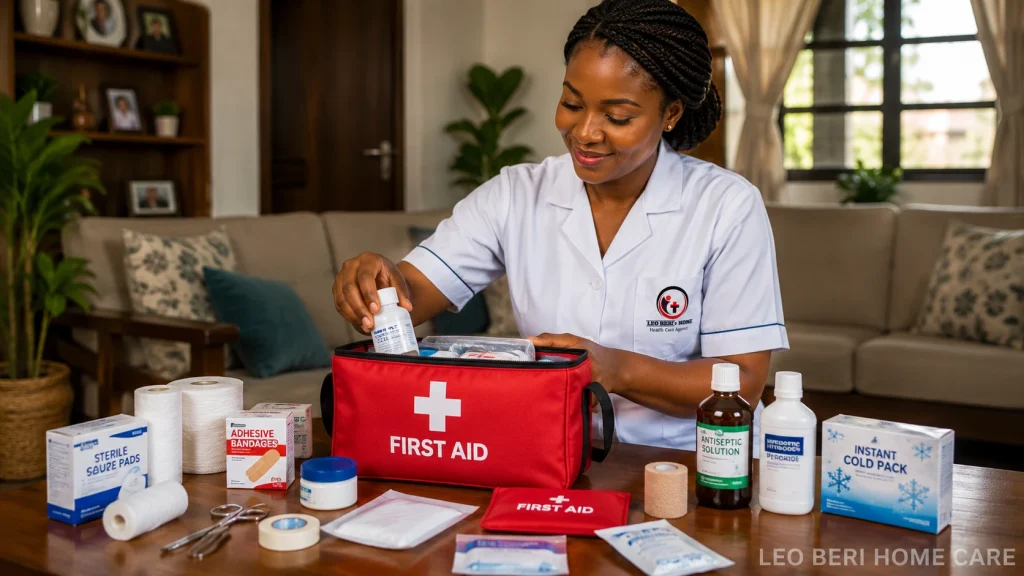
Accidents and medical emergencies can happen at any time, whether it’s a minor cut, burn, sprain, insect bite, or sudden illness. Having a well-stocked home first aid kit allows you to provide immediate care before professional medical help is available.
A first aid kit is one of the most important safety items every household should own. It can help reduce complications, prevent infections, and even save lives during emergencies.
In this guide, you’ll learn the essential items every family should include in a home first aid kit, how to store it properly, and when to seek medical attention.
Why Every Home Needs a First Aid Kit
A properly equipped first aid kit helps you:
- Treat minor cuts and wounds.
- Control bleeding.
- Manage burns and scalds.
- Reduce the risk of infection.
- Provide immediate care during emergencies.
- Stabilize an injured person before reaching a healthcare facility.
- Prepare for unexpected accidents at home.
Essential Wound Care Supplies
Adhesive Bandages (Plasters)
Keep different sizes of adhesive bandages to cover small cuts, blisters, and abrasions.
Sterile Gauze Pads
Use sterile gauze to cover larger wounds, absorb blood, and protect injuries from dirt and bacteria.
Adhesive Medical Tape
Medical tape secures gauze pads and dressings in place without restricting movement.
Elastic Bandage
Elastic bandages provide support for sprains, strains, and swollen joints while helping reduce swelling.
Antiseptic Solution or Wipes
Use an antiseptic solution to clean wounds and reduce the risk of infection before applying a dressing.
Cotton Balls and Cotton Swabs
Useful for cleaning around wounds and applying antiseptic solutions.
Essential Medical Tools
Digital Thermometer
A thermometer helps monitor body temperature during fever or illness.
Scissors
Use blunt-ended scissors to cut tape, gauze, bandages, or clothing safely during emergencies.
Tweezers
Tweezers are useful for removing splinters, thorns, or debris from wounds.
Disposable Gloves
Wear disposable gloves before treating an injured person to reduce the risk of infection.
Keep several pairs available.
Safety Pins
Safety pins can secure bandages or support emergency splints when necessary.
Instant Cold Pack
Cold packs help reduce pain and swelling from sprains, bruises, and minor injuries.
Essential Medications
Keep medications in their original packaging and check expiry dates regularly.
Include:
Paracetamol (Acetaminophen)
For pain relief and fever.
Ibuprofen
Useful for pain, inflammation, and fever unless advised otherwise by a healthcare provider.
Oral Rehydration Salts (ORS)
Essential for treating dehydration caused by diarrhea or vomiting, especially in children.
Antihistamines
Helpful for mild allergic reactions, insect bites, and itching.
Antacid Tablets
Can help relieve occasional indigestion or heartburn.
Glucose Tablets or Sugar Sachets
Useful for people with diabetes who experience low blood sugar (hypoglycemia).
Burn Care Supplies
Minor burns require prompt first aid.
Include:
- Sterile non-stick burn dressings.
- Burn gel.
- Sterile gauze.
Avoid applying toothpaste, butter, or oils to burns.
Emergency Contact Information
Keep a written list containing:
- Family doctor’s contact.
- Nearest hospital.
- Ambulance service.
- Poison emergency number.
- Emergency family contacts.
Store the list inside the first aid kit for quick access.
First Aid Manual
Include a simple first aid guide or emergency instruction booklet.
This can help family members respond appropriately during emergencies.
Additional Items Worth Including
Depending on your family’s needs, consider adding:
- Face masks.
- Hand sanitizer.
- Flashlight with spare batteries.
- Emergency blanket.
- Small notebook and pen.
- Saline solution for eye washing.
- Finger splint.
- Triangular bandage.
- CPR face shield.
- Prescription medications (if required).
Items to Check Regularly
Inspect your first aid kit every 3–6 months.
Replace:
- Expired medications.
- Used supplies.
- Damaged packaging.
- Empty containers.
- Weak flashlight batteries.
A well-maintained first aid kit is always ready when needed.
Where Should You Store a Home First Aid Kit?
Choose a location that is:
- Easy for adults to access.
- Dry and cool.
- Away from direct sunlight.
- Out of reach of young children.
- Known to every family member.
You may also consider keeping additional first aid kits in:
- Your car.
- Workplace.
- School bag.
- Travel luggage.
When Should You Seek Medical Attention?
A first aid kit is designed for immediate care—not a replacement for professional medical treatment.
Seek urgent medical care if someone has:
- Heavy or uncontrolled bleeding.
- Deep wounds.
- Severe burns.
- Difficulty breathing.
- Chest pain.
- Loss of consciousness.
- Suspected stroke.
- Broken bones.
- Severe allergic reactions.
- Head injuries.
- Seizures.
Prompt medical attention can prevent serious complications.
Tips for Using a First Aid Kit Safely
Learn Basic First Aid
Taking a certified first aid course can help you respond confidently during emergencies.
Keep Supplies Organized
Arrange items in clearly labeled sections so they can be found quickly.
Teach Family Members
Ensure everyone in your household knows where the kit is stored and how to use basic supplies safely.
Replace Used Items Immediately
Restock your kit after every use to ensure it is always complete.
Conclusion
A well-stocked home first aid kit is an essential part of every household. It allows you to respond quickly to minor injuries and medical emergencies while waiting for professional healthcare. Regularly checking your supplies and learning basic first aid skills can make a significant difference during unexpected situations.
At LEO BERI’S HOME HEALTH CARE AGENCY, we are committed to promoting health and safety through first aid education, home nursing care, health assessments, chronic disease management, and preventive healthcare services in Yaoundé, Cameroon. Every family deserves to be prepared for emergencies, and a complete first aid kit is one of the best places to start.
