
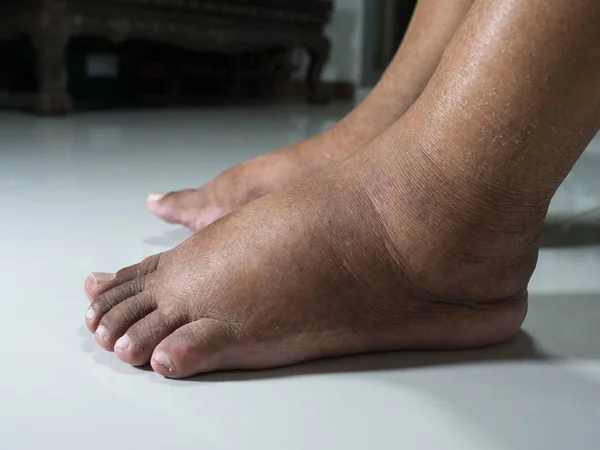
Why Do My Feet Swell at the End of the Day?
Why do my feet swell at the end of the day is a common question many ask on a daily basis. If you’ve ever removed your shoes after a long day and noticed your feet feeling tight, heavy, or swollen, you’re not alone. Many people experience feet swell at the end of the day, especially after standing or sitting for long periods. While mild swelling is often harmless, persistent or severe swelling can sometimes indicate an underlying medical condition that requires attention.
Understanding why your feet swell at the end of the day can help you identify when simple lifestyle changes are enough and when it’s time to seek professional medical care.
What Is Foot Swelling?
Foot swelling, also known as peripheral edema, occurs when excess fluid builds up in the tissues of your feet and ankles. It may affect one foot or both and can develop gradually or suddenly.
Common symptoms include:
- Puffy or enlarged feet.
- Tight-fitting shoes.
- Stretched or shiny skin.
- Difficulty wearing rings on your toes or sandals.
- A feeling of heaviness in the feet.
- Indentations in the skin after pressing with a finger (pitting edema).
Occasional swelling after a long day is common, but frequent or unexplained swelling should never be ignored.
Why Do Feet Swell at the End of the Day?
Several factors can cause feet swell at the end of the day, ranging from normal daily activities to serious health conditions.
Standing or Sitting for Long Hours
One of the most common causes is remaining in the same position for extended periods.
Gravity causes fluid to collect in your lower legs and feet, especially if your muscles are not actively helping blood return to the heart.
People at higher risk include:
- Teachers.
- Nurses.
- Drivers.
- Office workers.
- Factory workers.
- Security personnel.
Taking regular walking breaks can improve circulation and reduce swelling.
Hot Weather
High temperatures cause blood vessels to widen, allowing more fluid to leak into surrounding tissues.
As a result, your feet may become swollen, particularly during hot afternoons.
Drinking enough water and avoiding prolonged exposure to extreme heat can help.
Pregnancy
Many pregnant women notice swollen feet, particularly during the second and third trimesters.
This occurs because:
- The growing uterus places pressure on veins.
- Hormonal changes encourage fluid retention.
- Blood volume increases during pregnancy.
Mild swelling is common, but sudden swelling associated with headaches or vision changes requires urgent medical evaluation.
High Salt Intake
Eating foods rich in sodium causes the body to retain water.
Common high-salt foods include:
- Processed meats.
- Instant noodles.
- Chips.
- Fast foods.
- Canned foods.
- Salted snacks.
Reducing salt intake can significantly decrease fluid retention.
Obesity
Excess body weight increases pressure on the veins in the legs, making it more difficult for blood to return to the heart.
Maintaining a healthy weight reduces stress on the circulatory system and helps prevent swelling.
Chronic Venous Insufficiency
Veins contain valves that help move blood back toward the heart.
When these valves become weak or damaged, blood pools in the legs, causing:
- Swollen feet.
- Aching legs.
- Varicose veins.
- Skin discoloration.
This condition becomes more common with age.
Heart Disease
The heart pumps blood throughout the body. When it cannot pump effectively, fluid may build up in the legs, ankles, and feet.
Swelling caused by heart failure is often accompanied by:
- Shortness of breath.
- Fatigue.
- Rapid weight gain.
- Difficulty lying flat due to breathlessness.
Seek medical attention if these symptoms occur.
Kidney Disease
Healthy kidneys remove excess fluid and waste products from the body.
When kidney function declines, fluid accumulates, leading to swelling of the feet and ankles.
Other symptoms may include:
- Reduced urine output.
- Fatigue.
- High blood pressure.
- Puffiness around the eyes.
Liver Disease
The liver produces proteins that help keep fluid inside blood vessels.
Advanced liver disease can reduce these proteins, allowing fluid to leak into surrounding tissues and cause swelling.
Diabetes
People with diabetes are more likely to experience swelling because of poor circulation, kidney disease, or nerve damage.
Regular foot examinations are essential for preventing complications.
Certain Medications
Some medicines may cause swelling as a side effect.
Examples include:
- Blood pressure medications.
- Steroids.
- Hormonal medications.
- Some diabetes medications.
- Anti-inflammatory medicines.
Never stop prescribed medication without consulting your healthcare provider.
Injury or Infection
A sprain, fracture, insect bite, or infection can cause swelling in one foot.
Signs of infection include:
- Redness.
- Warmth.
- Pain.
- Fever.
- Pus or drainage.
Prompt treatment helps prevent complications.
Warning Signs That Require Immediate Medical Attention
Although mild swelling is often harmless, seek urgent medical care if swollen feet are accompanied by:
- Chest pain.
- Difficulty breathing.
- Sudden swelling in one leg.
- Severe pain.
- Redness and warmth.
- Fever.
- Loss of consciousness.
- Blue or pale toes.
- Rapid swelling after an injury.
These symptoms may indicate a blood clot, heart failure, or another serious medical emergency.
How to Reduce Swollen Feet at Home
If your swelling is mild and not caused by a serious illness, these simple measures may help.
Elevate Your Feet
Raise your feet above heart level for 20–30 minutes several times a day to encourage fluid to drain back toward the heart.
Stay Active
Walking and gentle stretching improve circulation and reduce fluid buildup.
Avoid sitting or standing in one position for long periods.
Reduce Salt Intake
Limiting processed and salty foods helps prevent water retention.
Choose fresh fruits, vegetables, and home-cooked meals whenever possible.
Wear Comfortable Footwear
Shoes that fit properly reduce pressure on swollen feet.
Avoid tight shoes and high heels if swelling is frequent.
Drink Enough Water
Staying hydrated helps your kidneys remove excess sodium and maintain proper fluid balance.
Wear Compression Stockings
Compression stockings help improve blood flow in the legs and may reduce swelling in people with venous problems.
Consult your healthcare provider before using them if you have certain circulation disorders.
How to Prevent Feet from Swelling
You can lower your risk by:
- Exercising regularly.
- Maintaining a healthy weight.
- Eating a balanced, low-salt diet.
- Drinking plenty of water.
- Taking breaks from prolonged sitting or standing.
- Managing chronic conditions such as diabetes and hypertension.
- Wearing supportive footwear.
- Attending regular medical check-ups.
Small lifestyle changes can make a big difference over time.
When Should You See a Healthcare Provider?
Arrange a medical evaluation if:
- Your feet swell at the end of the day regularly.
- The swelling does not improve overnight.
- One foot is much more swollen than the other.
- Swelling is painful.
- You have diabetes, kidney disease, liver disease, or heart disease.
- The swelling is getting worse.
- You notice skin ulcers or wounds on your feet.
Early diagnosis can help identify and treat the underlying cause before complications develop.
Conclusion
Experiencing feet swell at the end of the day is common, especially after prolonged standing or sitting. However, persistent or severe swelling may be a sign of conditions such as heart disease, kidney disease, diabetes, or poor circulation. Paying attention to your symptoms and seeking medical advice when necessary can help prevent serious complications.
At LEO BERI’S HOME HEALTH CARE AGENCY, we provide professional home healthcare services, including blood pressure monitoring, diabetes management, elderly care, chronic disease monitoring, home nursing, health assessments, and patient education throughout Yaoundé, Cameroon. Our experienced healthcare professionals are dedicated to helping you maintain healthy circulation and overall well-being in the comfort of your home.

This is so educative, thanks for the information n God bless you
Thank you for stopping by