
High blood pressure, also known as hypertension, is one of the most common health conditions affecting adults worldwide. It is often called the “silent killer” because many people can have dangerously high blood pressure without noticing any symptoms. Recognizing the early warning signs of high blood pressure and checking your blood pressure regularly can help you identify a potential problem and seek medical advice early.
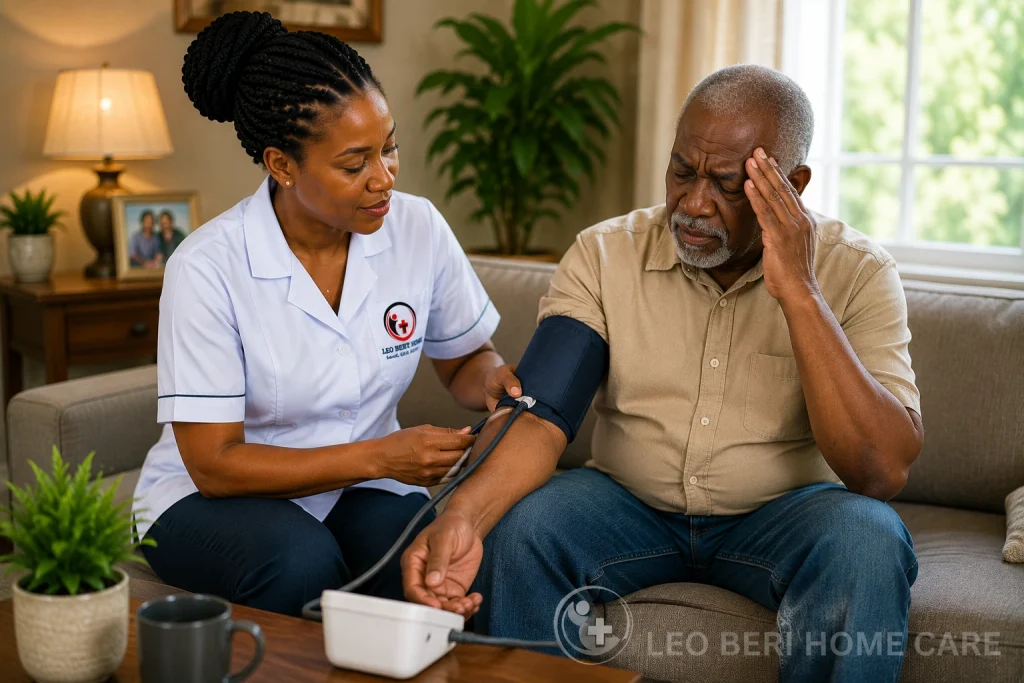
In Cameroon and many other African countries, high blood pressure is an important health concern. Risk factors can include an unhealthy diet, physical inactivity, excess weight, smoking, excessive alcohol consumption, stress, family history, age, and certain medical conditions.
The challenge is that high blood pressure often causes no obvious symptoms. When symptoms do occur, particularly when blood pressure becomes very high, they should not be ignored.
What Is High Blood Pressure?
Blood pressure is the force of blood pushing against the walls of your arteries as your heart pumps blood around your body.
A blood pressure reading has two numbers:
-
Systolic blood pressure: the pressure when your heart contracts.
-
Diastolic blood pressure: the pressure when your heart relaxes between beats.
Consistently elevated blood pressure can increase the risk of serious health problems affecting the heart, brain, kidneys, eyes, and blood vessels.
According to the World Health Organization (WHO), regular blood pressure measurement is important because hypertension frequently does not cause noticeable symptoms.
10 Early Warning Signs of High Blood Pressure
Although many people with hypertension have no symptoms, some people with significantly elevated blood pressure may experience symptoms. These symptoms are not specific to hypertension, so they should not be used to diagnose high blood pressure.
Here are 10 symptoms and warning signs that should prompt you to check your blood pressure and consider seeking medical advice.
1. Frequent or Severe Headaches
Headaches can have many different causes, including dehydration, stress, lack of sleep, infections, migraines, and other medical conditions.
However, a severe or unusual headache, especially when accompanied by other concerning symptoms, should not be ignored.
If headaches are frequent or suddenly become severe, checking your blood pressure and speaking with a healthcare professional can be appropriate.
2. Blurred Vision or Changes in Vision
Changes in vision can sometimes occur when blood pressure is severely elevated or when hypertension has affected blood vessels supplying the eyes.
Blurred vision, sudden vision changes, double vision, or loss of vision should receive medical attention.
Do not assume that changes in vision are simply caused by high blood pressure. Several eye and neurological conditions can cause similar symptoms.
3. Chest Pain or Chest Pressure
Chest pain or pressure should always be taken seriously.
Although chest discomfort can have many causes, it can sometimes indicate a serious cardiovascular problem.
If chest pain is severe, persistent, or occurs with sweating, nausea, shortness of breath, weakness, or pain spreading to the arm, back, neck, or jaw, seek emergency medical care immediately.
4. Shortness of Breath
Difficulty breathing or unusual shortness of breath can be associated with heart and blood vessel problems.
People with long-standing uncontrolled hypertension may develop complications affecting the heart, which can contribute to breathing difficulties.
Sudden or severe shortness of breath requires urgent medical assessment.
5. Dizziness or Feeling Lightheaded
Dizziness is common and can result from dehydration, low blood sugar, medication effects, infections, inner-ear problems, and many other conditions.
However, unexplained or severe dizziness—especially when accompanied by weakness, confusion, difficulty speaking, chest pain, or vision changes—requires medical attention.
If you experience repeated dizziness, checking your blood pressure can be one useful part of assessing what may be happening.
6. Heart Palpitations or an Irregular Heartbeat
Heart palpitations may feel like your heart is racing, pounding, fluttering, or skipping a beat.
They can occur because of stress, anxiety, caffeine, medications, dehydration, abnormal heart rhythms, or other conditions.
High blood pressure itself does not always cause palpitations, but hypertension can increase cardiovascular risk. Repeated or unexplained palpitations should be discussed with a healthcare professional.
7. Unexplained Fatigue and Weakness
Feeling tired does not automatically mean you have high blood pressure.
Fatigue can result from poor sleep, stress, anemia, infections, medications, diabetes, thyroid problems, and many other conditions.
However, persistent unexplained fatigue or weakness should be investigated, particularly when it occurs with other symptoms.
Regular health checks, including blood pressure monitoring, can help identify problems that may otherwise go unnoticed.
8. Nosebleeds
Nosebleeds are relatively common and can be caused by dry air, nasal irritation, allergies, injury, infections, or other factors.
Very high blood pressure can sometimes be associated with nosebleeds, but most nosebleeds are not caused by ordinary hypertension.
If nosebleeds are frequent, heavy, difficult to stop, or occur together with other concerning symptoms, seek medical advice.
9. Swelling of the Legs, Feet, or Ankles
Swelling in the lower legs or feet can have many possible causes.
These include prolonged standing, certain medications, kidney problems, heart conditions, liver problems, and problems with circulation.
Long-standing uncontrolled high blood pressure can contribute to heart and kidney complications that may cause swelling.
Persistent or unexplained swelling should therefore be medically assessed rather than automatically attributed to hypertension.
10. Difficulty Sleeping or Waking Frequently at Night
Poor sleep does not necessarily mean that you have high blood pressure.
However, inadequate sleep, sleep disorders, stress, and conditions such as sleep apnea can be associated with an increased risk of hypertension.
If you regularly struggle to sleep, wake frequently during the night, snore heavily, or experience excessive daytime sleepiness, discuss these symptoms with a healthcare professional.
Why High Blood Pressure Can Be Difficult to Detect
One of the biggest problems with hypertension is that a person may feel completely healthy while their blood pressure remains elevated.
This is why waiting for symptoms is not a reliable way to detect high blood pressure.
The best way to know whether your blood pressure is elevated is to measure it properly.
If you monitor your blood pressure at home, follow a consistent procedure and record your readings.
For guidance, see our complete guide on how to measure blood pressure correctly at home.
When Should You Check for Early Warning Signs of High Blood Pressure?
You should consider checking your blood pressure regularly, especially if you have risk factors for hypertension or have previously been told that your blood pressure is elevated.
You may also need to check your blood pressure if you experience unusual symptoms such as:
-
Severe or unusual headaches
-
Blurred or changing vision
-
Chest discomfort
-
Shortness of breath
-
Unexplained dizziness
-
Repeated heart palpitations
-
Persistent unexplained weakness
-
Frequent or heavy nosebleeds
-
Unexplained swelling
-
Other symptoms that concern you
Remember that the absence of symptoms does not mean your blood pressure is normal.
For people who require regular monitoring at home, professional home nursing care in Yaoundé can provide support with health monitoring and other healthcare needs.
When Is High Blood Pressure an Emergency?
Extremely high blood pressure accompanied by serious symptoms can be a medical emergency.
Seek emergency medical care if you have symptoms such as:
-
Severe chest pain
-
Severe shortness of breath
-
Sudden weakness or numbness, particularly on one side of the body
-
Difficulty speaking or understanding speech
-
Sudden confusion
-
Sudden vision loss or major changes in vision
-
Severe headache with neurological symptoms
-
Loss of consciousness
Do not wait for the symptoms to disappear if they are severe or sudden.
How Can You Prevent High Blood Pressure?
Not every case of hypertension can be prevented, particularly when genetics, age, or certain medical conditions are involved.
However, healthy lifestyle choices can reduce your risk and help manage blood pressure.
Eat a Heart-Healthy Diet
Choose more vegetables, fruits, whole grains, beans, and other nutritious foods.
Limit excessive salt, highly processed foods, and foods high in unhealthy fats and added sugars.
Exercise Regularly
Regular physical activity can support cardiovascular health and help maintain a healthy weight.
Aim for consistent physical activity that is appropriate for your age, fitness level, and health condition.
Maintain a Healthy Weight
Being overweight or obese can increase the risk of high blood pressure.
If you need to lose weight, focus on sustainable changes to your diet, physical activity, sleep, and daily habits.
Avoid Smoking and Excess Alcohol
Smoking damages blood vessels and increases cardiovascular risk.
Excessive alcohol consumption can also contribute to elevated blood pressure.
Avoiding tobacco and limiting alcohol can support better heart and blood vessel health.
Manage Stress and Get Enough Sleep
Long-term stress and poor sleep can negatively affect overall cardiovascular health.
Develop healthy ways to manage stress and maintain a regular sleep schedule.
If you have persistent sleep problems, discuss them with a healthcare professional.
Take Prescribed Medications Correctly
If you have been diagnosed with hypertension and prescribed medication, take it exactly as directed.
Do not stop blood pressure medication simply because you feel better or your blood pressure improves unless your healthcare professional tells you to do so.
For people who need ongoing support with chronic conditions, our Chronic Disease Care at Home in Yaoundé service can provide professional support in the home.
How Can You Monitor Your Blood Pressure at Home?
Home blood pressure monitoring can help you and your healthcare provider understand your blood pressure over time.
For more reliable readings:
-
Sit quietly for several minutes before measuring.
-
Keep your feet flat on the floor.
-
Support your arm at heart level.
-
Use a properly fitting upper-arm cuff.
-
Avoid talking while taking the measurement.
-
Take readings consistently according to your healthcare professional’s advice.
-
Record your results so they can be reviewed over time.
If you need regular vital signs monitoring at home in Yaoundé, professional healthcare support may be available in your home.
Frequently Asked Questions About High Blood Pressure
Can you have high blood pressure without symptoms?
Yes. Many people with hypertension have no noticeable symptoms. This is why regular blood pressure checks are important.
What are the early warning signs of high blood pressure?
There are no reliable symptoms that can confirm early hypertension. However, severe or unusual headaches, vision changes, chest discomfort, shortness of breath, dizziness, and other concerning symptoms should prompt appropriate medical assessment.
How do I know if I have high blood pressure?
The only reliable way to know whether your blood pressure is elevated is to measure it. A healthcare professional can help interpret your readings and determine whether further monitoring or testing is needed.
Can high blood pressure cause headaches?
Severely elevated blood pressure can sometimes be associated with headaches, but headaches have many other possible causes. A headache alone cannot confirm hypertension.
Is high blood pressure dangerous?
Yes. If hypertension remains uncontrolled over time, it can increase the risk of serious complications involving the heart, brain, kidneys, eyes, and blood vessels.
Should I monitor my blood pressure at home?
Home monitoring can be useful, particularly for people who have hypertension or have been advised by a healthcare professional to monitor their blood pressure.
Final Thoughts
Recognizing the early warning signs of high blood pressure is important, but the most important thing to remember is that hypertension often has no obvious symptoms.
Do not wait until you feel sick before checking your blood pressure.
Regular monitoring, healthy lifestyle choices, medical checkups, and appropriate treatment can help reduce the risks associated with uncontrolled hypertension.
If you or a family member needs professional healthcare support at home in Yaoundé, Leo Beri’s Home Health Care Agency provides professional and compassionate home healthcare services.
If you experience sudden severe symptoms such as chest pain, severe difficulty breathing, sudden weakness, confusion, or major changes in vision, seek emergency medical care immediately.
