
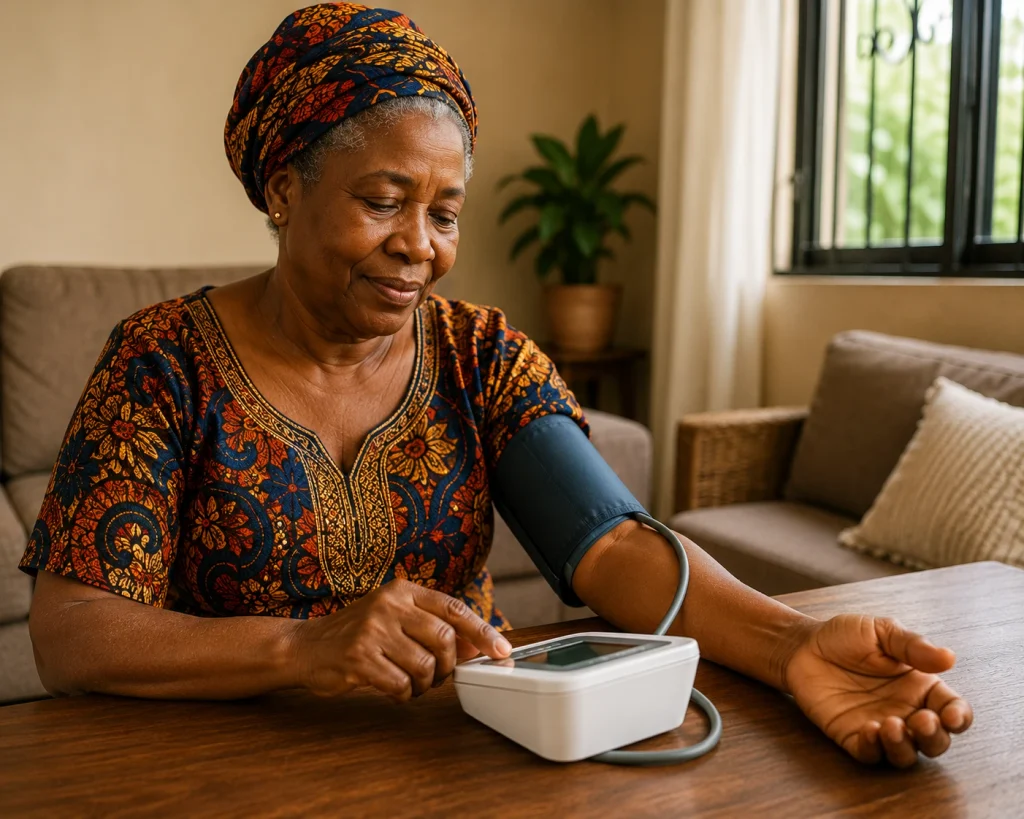
How to measure blood pressure correctly at home is an important part of monitoring your health and detecting high blood pressure early. Home blood pressure monitoring provides valuable information about your blood pressure levels over time and can help healthcare providers make informed decisions about your care.
However, even the best blood pressure monitor can give inaccurate readings if it is not used correctly. This guide explains the correct way to measure your blood pressure at home and highlights common mistakes to avoid.
Why Measuring Blood Pressure Correctly Matters
Accurate blood pressure readings help you:
- Detect high blood pressure (hypertension) early.
- Monitor the effectiveness of blood pressure medication.
- Reduce the risk of heart attack, stroke, kidney disease, and heart failure.
- Provide reliable readings to your healthcare provider.
- Avoid unnecessary changes in medication due to inaccurate measurements.
What You Need Before Measuring Your Blood Pressure
Before taking a reading, ensure you have:
- A validated automatic upper-arm blood pressure monitor.
- The correct cuff size for your arm.
- A chair with back support.
- A table to support your arm.
- A notebook or smartphone app to record your readings.
How Should You Prepare Before Measuring Blood Pressure?
For the most reliable reading, avoid exercise, smoking, caffeine, and alcohol for about 30 minutes before measuring your blood pressure. Empty your bladder, sit quietly for at least five minutes, and avoid talking or using your phone during the measurement.
How to Measure Blood Pressure Correctly at Home: Step-by-Step Guide
Step 1: Avoid Activities That Affect Blood Pressure
For at least 30 minutes before measuring, avoid:
- Smoking
- Drinking coffee or other caffeinated beverages
- Alcohol
- Heavy meals
- Vigorous exercise
These activities can temporarily raise your blood pressure and produce inaccurate results.
Step 2: Empty Your Bladder
A full bladder can slightly increase your blood pressure. Visit the toilet before taking your measurement.
Step 3: Sit Correctly
Proper sitting position is essential.
- Sit in a comfortable chair.
- Keep your back supported.
- Place both feet flat on the floor.
- Do not cross your legs.
- Relax your body.
Step 4: Rest for Five Minutes
Sit quietly for at least five minutes before measuring your blood pressure.
Avoid:
- Talking
- Watching stressful news
- Using your phone
- Moving around
The more relaxed you are, the more accurate your reading will be.
Step 5: Position Your Arm Properly
Your arm should:
- Rest comfortably on a table.
- Be at the same level as your heart.
- Be relaxed.
- Have the palm facing upward.
Do not let your arm hang down or hold it up by yourself.
Step 6: Place the Blood Pressure Cuff Correctly
The cuff should:
- Be wrapped around your bare upper arm.
- Sit about 2–3 cm above the elbow crease.
- Fit snugly without being too tight.
- Have the tubing positioned along the inside of your arm.
Avoid placing the cuff over clothing.
Step 7: Remain Still During the Measurement
While the monitor is taking your blood pressure:
- Do not talk.
- Do not laugh.
- Do not move.
- Breathe normally.
- Stay relaxed.
Movement can affect the accuracy of the reading.
Step 8: Record Your Blood Pressure Reading
Record:
- Systolic blood pressure (top number)
- Diastolic blood pressure (bottom number)
- Pulse rate
- Date
- Time
Keeping a record helps identify trends over time.
Step 9: Take Two or Three Readings
Wait one minute between readings.
Take two readings about one minute apart. If your healthcare provider has given you a specific monitoring schedule, follow their instructions. Record both readings rather than relying on a single measurement.
When Is the Best Time to Measure Blood Pressure at Home?
For consistent monitoring:
Morning
Measure your blood pressure:
- Before breakfast
- Before taking blood pressure medication
- After using the toilet
Evening
Measure:
- Before dinner
- Before going to bed
- At approximately the same time each day
Consistency allows better comparison of readings.
Common Mistakes That Cause Inaccurate Blood Pressure Readings
Talking During the Test
Talking can raise your blood pressure and affect the result.
Crossing Your Legs
Crossing your legs may increase blood pressure readings.
Using the Wrong Cuff Size
A cuff that is too small or too large can produce inaccurate readings.
Measuring Over Clothing
Always place the cuff directly on bare skin.
Measuring Immediately After Exercise
Physical activity temporarily increases blood pressure. Wait at least 30 minutes.
Drinking Coffee Before Measurement
Caffeine can temporarily raise blood pressure.
Sitting Without Back Support
Poor posture affects circulation and can alter readings.
Holding Your Arm Too Low
The cuff should always be level with your heart.
Understanding Your Blood Pressure Reading
A blood pressure reading consists of two numbers:
Systolic Pressure
The top number measures the pressure in your arteries when your heart beats.
Diastolic Pressure
The bottom number measures the pressure in your arteries when your heart rests between beats.
If your readings remain consistently higher than normal, consult a healthcare professional for further evaluation.
What Do Blood Pressure Numbers Mean at Home?
Blood pressure readings should be interpreted according to current clinical guidelines and your individual health situation. A single elevated reading does not necessarily mean you have hypertension. If your readings are repeatedly elevated, keep a record and discuss them with a qualified healthcare professional.
For additional guidance on accurate home blood pressure measurement, see the American Heart Association’s recommendations on monitoring blood pressure at home.
Who Should Monitor Blood Pressure at Home?
Home monitoring is recommended for:
- Adults with hypertension.
- People with diabetes.
- Older adults.
- Individuals with kidney disease.
- Pregnant women at risk of high blood pressure.
- Anyone with a family history of hypertension.
- Individuals taking blood pressure medication.
Tips for Getting the Most Accurate Blood Pressure Readings
- Measure your blood pressure at the same time every day.
- Use the same arm each time.
- Replace old monitor batteries regularly.
- Have your blood pressure monitor checked periodically for accuracy.
- Bring your home readings to your healthcare appointments.
When Should You Seek Medical Attention?
Contact your healthcare provider if:
- Your blood pressure remains consistently higher than recommended despite lifestyle changes or medication.
- You notice a sudden, sustained increase in your readings.
- Your blood pressure readings are accompanied by symptoms such as severe headache, chest pain, shortness of breath, blurred vision, weakness, or difficulty speaking.
- If you have a very high blood pressure reading together with symptoms such as chest pain, severe shortness of breath, weakness or numbness, difficulty speaking, confusion, or major changes in vision, seek urgent medical evaluation rather than relying on repeated home measurements. These symptoms require prompt medical evaluation.
Conclusion
Regular blood pressure monitoring can help people identify changes early. If you need professional blood pressure monitoring at home in Yaoundé, LEO BERI’S HOME HEALTH CARE AGENCY can provide personalized home healthcare support.
You may also want to learn about the early warning signs of high blood pressure
If you need professional support with home healthcare services in Yaoundé, our team can help with health monitoring and personalized nursing care in the comfort of your home.
