
High blood pressure in young adults may seem surprising, but it can affect people long before old age. A person may feel completely healthy while their blood pressure is gradually increasing. Because high blood pressure often causes no obvious symptoms, regular blood pressure checks are important even when you feel well.
For young adults in Yaoundé and elsewhere, understanding the causes, risk factors and prevention strategies can help protect the heart, brain and kidneys for years to come.
What Is High Blood Pressure?
High blood pressure, also called hypertension, occurs when the pressure of blood against the walls of the arteries remains too high over time.
Blood pressure is recorded using two numbers:
- Systolic pressure: the pressure when the heart contracts.
- Diastolic pressure: the pressure when the heart relaxes between beats.
Different medical organizations use somewhat different thresholds and measurement methods. WHO defines hypertension in adults as blood pressure of 140/90 mmHg or higher when confirmed on measurements taken on different days.
A single high reading does not necessarily mean that a person has hypertension. Blood pressure can temporarily rise because of stress, physical activity, caffeine, illness or other factors. Repeated, properly measured readings and professional assessment are important.
Why Does High Blood Pressure Affect Young Adults?
High blood pressure in young adults can develop for several reasons. Sometimes there is no single identifiable cause, while in other cases an underlying health condition, medication or lifestyle factor contributes to the increase.
Family History and Genetics
Having close family members with hypertension can increase your risk. Genetics can influence how your body regulates blood pressure, so a young adult with a strong family history should take regular blood pressure checks seriously.
High-Salt Diet
Regularly eating foods high in salt can contribute to high blood pressure. Processed foods, heavily salted meals and some packaged foods can make it easier to consume more sodium than your body needs.
Reducing salt while increasing fruits and vegetables can support healthier blood pressure.
Physical Inactivity
A sedentary lifestyle can increase cardiovascular risk. Young adults who spend much of their day sitting and rarely exercise may have a higher risk of developing high blood pressure.
Regular physical activity is one of the important lifestyle measures that can help prevent and manage hypertension.
Overweight and Obesity
Being overweight or obese can increase the risk of high blood pressure. Maintaining a healthy weight through balanced nutrition and regular physical activity can help reduce this risk.
Alcohol and Tobacco
Excessive alcohol consumption and tobacco use can increase cardiovascular risk and contribute to high blood pressure. Avoiding tobacco and reducing harmful alcohol consumption are important steps in protecting your heart health.
Stress and Poor Sleep
Long-term stress can make healthy habits harder to maintain and may contribute to cardiovascular risk. Poor sleep can also affect overall health.
Stress management, adequate rest and a healthy daily routine should therefore be part of a broader approach to preventing high blood pressure in young adults.
Kidney and Other Health Conditions
Some cases of high blood pressure are related to another medical condition. Kidney disease, diabetes and certain other health problems can increase the risk of hypertension.
Some medicines and substances can also affect blood pressure. If a young adult develops persistently high readings without an obvious explanation, a healthcare professional may need to investigate possible underlying causes.
What Are the Signs of High Blood Pressure in Young Adults?
One of the biggest problems with high blood pressure in young adults is that there may be no symptoms at all.
This means you should not assume that normal-feeling health means normal blood pressure. The most reliable way to know your blood pressure is to have it measured.
Very high blood pressure can sometimes be associated with symptoms such as:
- Severe headache
- Blurred or changed vision
- Chest pain
- Shortness of breath
- Dizziness
- Confusion
- Nausea or vomiting
- Weakness or numbness
These symptoms should not be ignored, particularly when accompanied by a very high blood pressure reading.
How to Prevent High Blood Pressure in Young Adults
The good news is that many risk factors for high blood pressure can be changed.
1. Eat More Fruits and Vegetables
Build meals around vegetables, fruits, whole grains and other nutritious foods. Reduce heavily processed foods and foods that contain excessive salt or unhealthy fats.
2. Reduce Salt Intake
Be conscious of how much salt you add to meals and how often you eat highly salted or processed foods. WHO recommends reducing salt intake as part of hypertension prevention.
3. Stay Physically Active
Regular physical activity can help support healthy blood pressure and overall cardiovascular health. Choose activities you can maintain consistently, such as walking, running, swimming, dancing or strength exercises.
4. Avoid Tobacco
Do not smoke or use tobacco products. Avoiding tobacco is an important part of reducing cardiovascular risk.
5. Limit Alcohol
If you drink alcohol, avoid excessive consumption. Reducing harmful alcohol use can help lower hypertension risk.
6. Maintain a Healthy Weight
If you are overweight, gradual and sustainable weight management can help improve blood pressure and overall health.
7. Manage Stress
Find healthy ways to manage ongoing stress. Regular physical activity, adequate rest, relaxation techniques and maintaining supportive social relationships can all contribute to healthier routines.
8. Check Your Blood Pressure Regularly
Don’t wait until you feel sick before checking your blood pressure.
Young adults with a family history of hypertension, previous high readings or other risk factors should discuss an appropriate monitoring schedule with a healthcare professional.
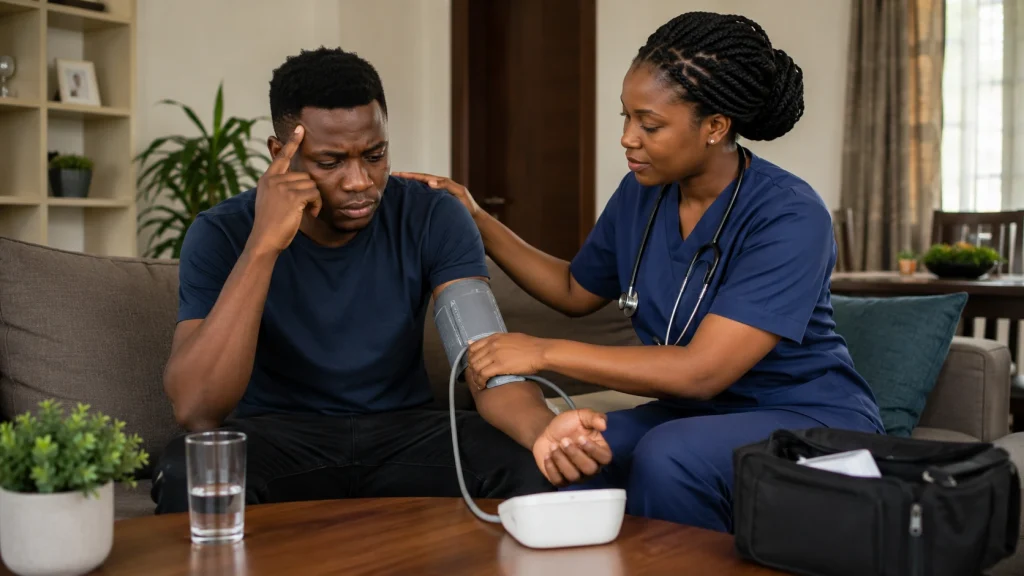
Home monitoring can also be useful when performed correctly. Sit quietly before measuring, use an appropriate cuff, keep your arm supported and take repeated readings according to professional guidance.
When Should a Young Adult See a Healthcare Professional?
If you repeatedly get high blood pressure readings, arrange a professional assessment rather than assuming the reading is caused by temporary stress.
You should also seek medical advice if high blood pressure occurs at a young age without an obvious explanation, especially if you have a family history of hypertension or another medical condition.
A healthcare professional can assess your blood pressure properly and determine whether additional evaluation is needed.
If blood pressure is higher than 180/120 mmHg, repeat the measurement after a short rest. If it remains very high, contact a healthcare professional promptly. If it is accompanied by symptoms such as chest pain, difficulty breathing, weakness or numbness, vision changes or difficulty speaking, seek emergency medical care immediately.
High Blood Pressure in Young Adults Should Not Be Ignored
High blood pressure in young adults is not something that should be dismissed simply because someone is young.
Many young adults with high blood pressure may feel perfectly well, which is why regular checks are so important. Early detection gives people an opportunity to identify risk factors, make healthier lifestyle changes and receive appropriate treatment when necessary.
For families in Yaoundé, regular health monitoring at home can also make it easier to keep track of blood pressure and recognize changes that may require professional attention. Our home nursing care services can provide professional support for individuals who need regular monitoring at home.
Final Thoughts
High blood pressure in young adults can have many contributing factors, including family history, high salt intake, physical inactivity, excess weight, tobacco, harmful alcohol use and certain health conditions.
The most important step is to know your blood pressure rather than waiting for symptoms.
Eat well, stay active, avoid tobacco, limit alcohol, manage stress and check your blood pressure regularly. If your readings remain high, speak with a qualified healthcare professional for proper assessment and guidance.
Leo Beri’s Home Health Care Agency provides professional home healthcare services in Yaoundé and surrounding communities, including health monitoring at home and home nursing support for individuals and families who need care at home.
