
Finding a pressure sore on a loved one can be frightening, especially when you are providing care at home. Knowing how to treat pressure sores in bedridden patients starts with understanding that treatment is more than simply putting a cream or dressing on the wound. Pressure must be relieved, the wound must be assessed, the surrounding skin protected, and the person’s overall health and nutrition considered.
Pressure sores are also called pressure ulcers or pressure injuries. They can range from an area of damaged but intact skin to a deep wound involving underlying tissue. The appropriate treatment depends on the severity, location, size, depth, amount of drainage, condition of the surrounding skin, and the person’s overall health.
If a pressure sore is open, deep, infected, rapidly worsening, very painful, or exposing deeper tissue, it should be assessed by a qualified healthcare professional rather than treated with home remedies alone.
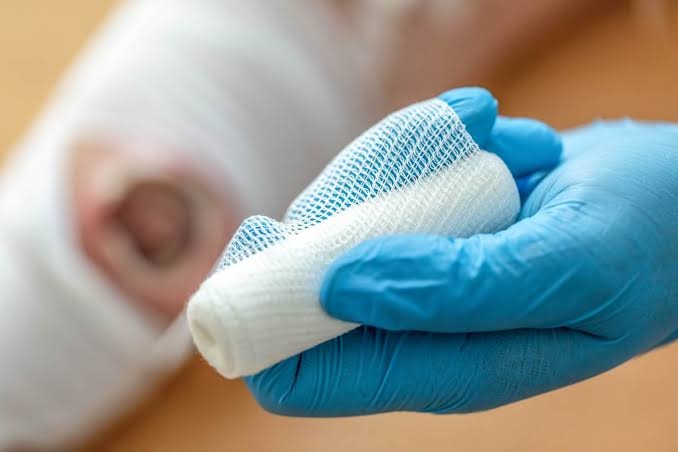
What Is a Pressure Sore?
A pressure sore is an area of localized damage to the skin and underlying tissue, usually caused by prolonged pressure or pressure combined with shear.
Pressure injuries commonly develop over bony areas such as:
- Tailbone
- Hips
- Heels
- Ankles
- Elbows
- Shoulders
- Back of the head
They can also develop underneath or around medical devices that place pressure on the skin.
A pressure injury may initially appear as a change in the skin while remaining intact. More advanced injuries can involve partial or full-thickness tissue loss.
Can Pressure Sores Be Treated at Home?
Some early pressure injuries may be managed as part of a healthcare-directed home-care plan, but the person should still be assessed appropriately.
Home care may involve:
- Relieving pressure from the affected area
- Repositioning the person appropriately
- Keeping the wound and surrounding skin clean
- Using an appropriate dressing when prescribed or recommended
- Protecting the surrounding skin
- Monitoring for infection
- Supporting adequate nutrition and hydration
- Recording changes in the wound
More serious pressure injuries may require professional wound care, specialized dressings, debridement, nutritional assessment, or other treatments. AHRQ resources describe pressure-ulcer treatment as including interventions such as wound cleansing, debridement, protective agents, dressings, support surfaces, and nutritional interventions depending on the wound and individual.
Step 1: Relieve Pressure From the Wound
One of the most important steps in treating a pressure sore is reducing further pressure on the affected area.
If the person continues to lie directly on the wound, the injury may worsen and healing may be delayed.
Depending on the person’s condition, pressure relief may involve:
- Repositioning
- Using appropriate pillows or positioning devices
- Off-loading the heels
- Using a pressure-redistributing mattress or support surface
- Changing sitting positions when appropriate
- Reducing friction and shear during movement
Do not place the person directly on an area that is already injured unless specifically instructed by a healthcare professional.
Pressure redistribution should be individualized according to the person’s condition and tolerance.
Step 2: Assess the Pressure Sore
Before deciding how a wound should be treated, it needs to be assessed.
Important characteristics include:
- Location
- Length
- Width
- Depth
- Appearance of the wound bed
- Amount and type of drainage
- Condition of surrounding skin
- Pain
- Presence of swelling
- Odor
- Signs of infection
- Changes over time
Healthcare professionals may also determine the stage or category of the pressure injury.
Do not attempt to determine the severity of a deep wound yourself if you are uncertain. A wound that looks small on the surface may have more extensive tissue damage underneath.
Step 3: Clean the Wound Appropriately
Wound cleansing is an important part of pressure sore treatment.
The appropriate cleansing method depends on the wound and the care plan. Healthcare professionals may recommend a suitable wound cleanser or another appropriate method.
The goal is to remove surface debris and drainage without unnecessarily damaging healthy tissue.
Avoid harsh scrubbing.
Also avoid putting household substances, strong antiseptics, powders, or unapproved home remedies directly into an open pressure sore.
If a wound is deep, heavily draining, foul-smelling, or worsening, professional assessment is particularly important.
Step 4: Protect the Skin Around the Wound
The skin surrounding a pressure sore can become damaged by moisture and wound drainage.
Protecting the surrounding skin can help prevent additional breakdown.
Depending on the wound and the person’s needs, a healthcare professional may recommend an appropriate skin protectant or barrier product.
Keep the surrounding skin clean and appropriately dry.
If the person has urinary or fecal incontinence, prompt hygiene and moisture management are especially important.
Step 5: Use the Appropriate Dressing
There is no single dressing that is best for every pressure sore.
The appropriate dressing depends on factors such as:
- Wound size
- Wound depth
- Amount of drainage
- Tissue in the wound
- Condition of surrounding skin
- Presence of infection
- Location
- Individual treatment goals
Clinical guidance emphasizes selecting dressings according to the characteristics of the wound rather than using the same dressing for every pressure injury.
Depending on the wound, healthcare professionals may use different types of dressings, including foam, hydrocolloid, hydrogel, alginate, gauze, or other specialized products.
Do not choose a dressing simply because it worked for someone else’s wound.
Step 6: Change the Dressing as Directed
Follow the wound-care instructions provided by the healthcare professional.
The frequency of dressing changes depends on the dressing being used, the amount of drainage, the condition of the wound, and the treatment plan.
During dressing changes, observe whether the wound appears:
- Smaller
- Larger
- More painful
- Less painful
- More swollen
- More heavily drained
- More foul-smelling
- More inflamed
Documenting these changes can help the healthcare professional determine whether the wound is improving or requires a different treatment approach.
Step 7: Continue Repositioning
Treating a pressure sore does not mean stopping the person’s normal pressure-relief routine.
Repositioning remains an important part of care.
The appropriate schedule depends on the person’s condition, mobility, skin tolerance, and support surface.
For detailed guidance, see our article on how often you should reposition a bedridden patient.
Step 8: Support Nutrition and Hydration
Nutrition is an important component of pressure-injury care.
A person with poor nutritional intake may have additional challenges with wound healing.
Monitor:
- Food intake
- Fluid intake
- Appetite
- Weight changes
- Protein intake
- Difficulty swallowing
If the person is losing weight, eating very little, or has a medical condition that affects nutrition, professional nutritional assessment may be appropriate.
Nutritional interventions may form part of an individualized pressure-ulcer treatment plan.
For general guidance, read our article on the best foods for a bedridden patient.
Step 9: Keep the Person’s Skin Clean and Dry
Good hygiene is particularly important when someone has a pressure sore.
Keep the person clean and change wet or soiled clothing and bedding promptly.
If the person is incontinent, take steps to minimize prolonged exposure of the skin to urine or stool.
Avoid vigorous rubbing around the wound.
For more information, see our guide on how to bathe and maintain hygiene for a bedridden patient.
Step 10: Monitor the Wound Regularly
A pressure sore should not simply be covered and forgotten.
Monitor the wound regularly for changes in:
- Size
- Depth
- Drainage
- Odor
- Pain
- Surrounding skin
- Swelling
- Tissue appearance
- Overall healing
AHRQ’s pressure-ulcer healing resources emphasize monitoring wound characteristics and changes over time to identify wounds that may not be healing appropriately.
Keeping a simple wound-care record can help.
Record the date and, when professionally appropriate, measurements such as length, width, and depth.
Signs That a Pressure Sore May Be Infected
A pressure sore may require urgent professional assessment if there are signs suggesting infection.
Possible warning signs include:
- Increasing redness around the wound
- Increasing warmth
- Swelling
- Increasing pain
- Pus or purulent drainage
- Foul odor
- Increasing wound drainage
- Fever
- Chills
- New or worsening confusion
- Increasing weakness
AHRQ pressure-ulcer healing resources identify increasing heat around the wound, increased pain, foul odor, and worsening or purulent drainage among concerning signs associated with delayed healing or possible infection.
Do not wait for the wound to become severely infected before seeking professional care.
When Does a Pressure Sore Need Professional Treatment?
Professional assessment is especially important when:
- The skin is broken
- The wound is deep
- The wound is getting larger
- There is significant drainage
- There is a foul odor
- There is pus
- The person has a fever
- The person has severe or increasing pain
- Bone, muscle, tendon, or other deeper tissue is visible or palpable
- The wound is not improving
- The person has diabetes or significant circulation problems
- The person has a weakened immune system
- The caregiver is unsure how to manage the wound
Deep pressure injuries can require specialized wound management and should not be treated using home remedies.
What Should You Not Put on a Pressure Sore?
Families sometimes use household products or traditional remedies when trying to treat wounds at home.
Avoid putting unapproved substances into an open pressure sore.
Do not use:
- Harsh chemicals
- Strong antiseptics without professional instruction
- Powders inside the wound
- Random antibiotics
- Household oils
- Unapproved creams
- Home remedies that have not been recommended by a qualified healthcare professional
A wound may require a specific dressing or treatment based on its characteristics.
Using the wrong product can irritate tissue or interfere with appropriate wound management.
Should You Massage a Pressure Sore?
No.
Do not massage a pressure sore or an area suspected of pressure-related tissue damage.
Instead, relieve pressure from the area and seek appropriate professional guidance.
AHRQ pressure-injury resources specifically identify avoiding turning a person onto a reddened area as an important pressure-injury prevention practice.
Can a Pressure Sore Heal Completely?
Many pressure injuries can improve or heal with appropriate treatment, but healing time varies considerably.
Factors that can affect healing include:
- Depth and severity of the wound
- Location
- Nutrition
- Blood circulation
- Infection
- Mobility
- Age
- Other medical conditions
- Continued pressure
- Quality and consistency of wound care
A wound that is not improving should be reassessed.
The goal is not simply to cover the wound but to address the factors preventing healing.
How Families Can Help With Pressure Sore Treatment
Families play an important role in daily care.
They can help by:
- Following the wound-care plan
- Keeping pressure off the affected area
- Helping with repositioning
- Keeping the person clean and dry
- Monitoring nutrition and hydration
- Observing the wound for changes
- Keeping dressing supplies clean
- Recording changes
- Attending scheduled healthcare appointments
- Reporting concerning symptoms promptly
Consistent care can make it easier for healthcare professionals to monitor progress and adjust the treatment plan when necessary.
How Home Nursing Can Help With Pressure Sores
Pressure sore care can become complicated when the person is bedridden, dependent, or has other medical conditions.
Professional home nursing support may assist with:
- Wound observation
- Dressing care according to the prescribed plan
- Skin assessment
- Repositioning
- Hygiene
- Nutrition and hydration monitoring
- Medication support
- Documentation
- Communication with the family and healthcare team
- Families who need regular professional assistance can learn more about our home nursing services.
At Leo Beri’s Home Health Care Agency, professional home healthcare support can help families manage the daily needs of bedridden and dependent individuals while promoting comfort, dignity, and safety at home.
When a wound requires treatment beyond routine home care, our role is also to help families recognize when professional medical evaluation is needed.
Frequently Asked Questions
What is the fastest way to heal a pressure sore?
There is no single treatment that guarantees rapid healing. Healing depends on relieving pressure, appropriate wound care, adequate nutrition, infection management when necessary, and treatment of the underlying factors affecting healing.
Can I treat a pressure sore at home?
Some pressure injuries may be managed at home under an appropriate healthcare plan, particularly when professional guidance is available. Open, deep, infected, rapidly worsening, or severe wounds require professional assessment.
These treatment approaches are reflected in AHRQ pressure-ulcer treatment resources.
What is the best cream for pressure sores?
There is no single cream that is best for every pressure sore. Treatment depends on the wound and surrounding skin. A healthcare professional should recommend topical products when needed.
Should a pressure sore be covered?
Many pressure injuries require an appropriate dressing, but the correct dressing depends on the wound’s characteristics. A healthcare professional should guide dressing selection and change frequency.
Can pressure sores heal without treatment?
A pressure injury should not simply be left untreated. Early pressure relief and appropriate care are important because an injury can worsen if pressure continues.
How long does it take for a pressure sore to heal?
Healing time varies widely depending on the severity of the injury, nutrition, circulation, infection, mobility, medical conditions, and quality of care. More severe wounds may take considerably longer to heal.
Conclusion
Learning how to treat pressure sores in bedridden patients requires more than applying a cream or covering a wound.
Effective care begins with removing pressure from the affected area and obtaining an appropriate assessment. Depending on the wound, treatment may involve cleansing, protective skin care, specialized dressings, nutritional support, repositioning, and other professional interventions.
Families should seek professional help when a pressure sore is open, deep, infected, worsening, painful, or not healing.
With appropriate assessment, consistent pressure relief, good nutrition, proper hygiene, and a suitable wound-care plan, many pressure injuries can be managed more effectively and monitored for healing.
Leo Beri’s Home Health Care Agency provides quality, professional, and compassionate healthcare services at your doorstep, supporting families caring for bedridden and dependent loved ones at home.
