
Caring for a bedridden person at home can be rewarding, but it can also be difficult to know when a change in their condition requires medical attention. Knowing the warning signs that a bedridden patient needs medical attention can help families recognize potentially serious problems early and seek appropriate care.
A person who spends most of the day in bed may have limited mobility, reduced independence, or an underlying illness that requires close monitoring. Changes in breathing, consciousness, skin condition, appetite, urination, pain, or general behavior should not automatically be dismissed as part of being bedridden.
Caregivers should become familiar with the person’s normal condition so they can recognize when something has changed.
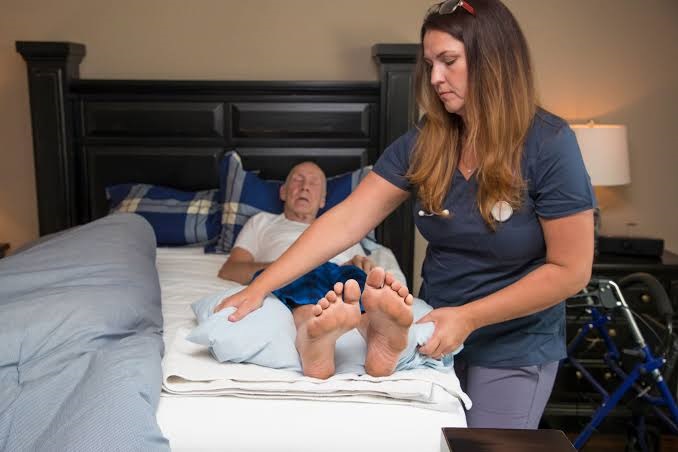
Why Do Bedridden Patients Need Close Monitoring?
Being bedridden is not itself a diagnosis. A person may be confined to bed because of an illness, injury, surgery, neurological condition, advanced age, weakness, or another health problem.
Limited mobility can increase the risk of complications, including:
- Pressure injuries
- Muscle weakness
- Blood clots
- Constipation
- Dehydration
- Malnutrition
- Respiratory complications
- Infections
- Falls during transfers
- Loss of independence
For this reason, regular observation is an important part of bedridden patient care at home.
1. Difficulty Breathing or Sudden Shortness of Breath
Breathing problems should be taken seriously.
Seek urgent medical assessment if the person develops:
- Sudden difficulty breathing
- Severe shortness of breath
- Rapid or labored breathing
- New chest discomfort
- Blue or gray discoloration of the lips or face
- Severe weakness associated with breathing difficulty
A sudden change in breathing can have many causes, including respiratory infection, heart problems, or a blood clot.
Do not assume that new or severe breathing difficulty is simply because the person is bedridden.
2. Sudden Change in Consciousness or Alertness
A sudden change in mental status can be an important warning sign.
Be concerned if the person:
- Becomes unusually difficult to wake
- Suddenly becomes confused
- Stops responding normally
- Develops a major change in behavior
- Becomes unusually sleepy
- Experiences a seizure
Sudden confusion can have many causes, including infection, medication effects, dehydration, low blood sugar, stroke, or other medical problems.
A sudden change should be assessed promptly.
3. New or Severe Chest Pain
New chest pain should never be ignored.
Seek urgent medical attention if the person develops:
- New chest pressure or pain
- Chest discomfort associated with sweating
- Difficulty breathing
- Fainting or near-fainting
- Pain spreading to the arm, shoulder, back, neck, or jaw
The cause of chest pain cannot be determined safely from symptoms alone.
4. Sudden Weakness or Difficulty Speaking
A sudden change in neurological function requires urgent attention.
Watch for:
- Sudden weakness on one side
- New facial drooping
- Difficulty speaking
- Difficulty understanding speech
- Sudden loss of balance
- Sudden severe dizziness
- New vision problems
- Sudden severe headache
These symptoms can occur with stroke and other serious neurological conditions.
If these symptoms appear suddenly, seek emergency medical assistance immediately.
5. A New or Worsening Pressure Injury
Bedridden people are at increased risk of pressure injuries because they may remain in the same position for long periods.
During daily care, check areas such as:
- Tailbone
- Hips
- Heels
- Ankles
- Elbows
- Shoulders
- Back of the head
Seek professional assessment if you notice:
- Broken skin
- Blisters
- Persistent discoloration
- Increasing pain
- Swelling
- Drainage
- A wound that is becoming larger or deeper
- Foul odor
Do not massage an area suspected of having pressure-related tissue damage.
If you want to learn more about prevention, read our guide on how to prevent bed sores in bedridden patients.
6. Fever or Signs of Infection
A fever or significant change in temperature can indicate infection, although the absence of fever does not always rule out infection.
Other possible warning signs include:
- Chills
- New or worsening cough
- Difficulty breathing
- Burning or pain during urination
- Foul-smelling urine
- New wound drainage
- Redness or swelling around a wound
- Increasing weakness
- Sudden confusion
Older adults may sometimes present with less typical symptoms, so a significant change from their normal condition should be taken seriously.
7. Persistent Vomiting or Diarrhea
Repeated vomiting or diarrhea can lead to dehydration and weakness.
Contact a healthcare professional if the person:
- Cannot keep fluids down
- Has repeated vomiting
- Has frequent watery stools
- Develops significant weakness
- Has blood in vomit or stool
- Becomes confused or unusually sleepy
- Produces very little urine
People with other medical conditions may become dehydrated more quickly.
8. Signs of Dehydration
A bedridden person may not always ask for water, especially if they have cognitive problems or require assistance with drinking.
Possible signs of dehydration include:
- Dry mouth
- Increased thirst
- Dark urine
- Reduced urination
- Weakness
- Dizziness
- Confusion
- Unusual tiredness
However, some people with kidney or heart conditions may have specific fluid restrictions.
Do not encourage excessive fluid intake if the person’s healthcare team has instructed them to restrict fluids.
9. Sudden Loss of Appetite or Significant Weight Loss
A gradual change in appetite can sometimes occur, but persistent poor intake should not be ignored.
Contact a healthcare professional if the person:
- Consistently refuses food
- Eats substantially less than usual
- Loses weight without trying
- Becomes increasingly weak
- Has difficulty swallowing
- Frequently coughs or chokes during meals
Poor nutrition can contribute to weakness and may increase vulnerability to other health problems.
Families can also read our guide on the best foods for a bedridden patient for general nutrition and hydration information.
10. Difficulty Swallowing
Swallowing problems can increase the risk of food or fluids entering the airway.
Warning signs include:
- Coughing during meals
- Choking
- Wet or gurgling voice after eating
- Food remaining in the mouth
- Difficulty swallowing tablets
- Repeated chest infections
- Unexplained weight loss
A person with suspected swallowing difficulties should be assessed by an appropriate healthcare professional.
Do not force food or fluids when someone is actively choking.
11. Severe or New Pain
Pain should not simply be accepted as an unavoidable part of being bedridden.
Tell a healthcare professional if the person develops:
- New severe pain
- Sudden pain
- Pain that keeps getting worse
- Pain that prevents sleep
- Pain that prevents movement
- Pain associated with swelling or injury
If the person has difficulty communicating, caregivers should watch for behavioral signs such as grimacing, restlessness, guarding a body part, or sudden withdrawal.
12. Swelling or Pain in One Leg
Sudden swelling, warmth, redness, or pain in one leg can be concerning, particularly in someone with limited mobility.
A blood clot in a deep vein can sometimes cause these symptoms.
Do not massage a painful or swollen leg.
If leg swelling is accompanied by sudden chest pain or difficulty breathing, seek emergency medical assistance immediately.
13. Very Low or Very High Blood Sugar
People with diabetes may experience dangerously high or low blood sugar levels.
Warning signs of low blood sugar may include:
- Sweating
- Shaking
- Weakness
- Confusion
- Drowsiness
- Abnormal behavior
- Loss of consciousness
Very high blood sugar can also cause serious symptoms, particularly when accompanied by dehydration, vomiting, abdominal pain, or changes in consciousness.
Families caring for a person with diabetes should follow the person’s prescribed monitoring and treatment plan.
14. Reduced or Abnormal Urination
Changes in urination can sometimes indicate dehydration, infection, medication effects, urinary obstruction, or kidney problems.
Seek medical advice if the person develops:
- A major decrease in urine output
- Painful urination
- Blood in the urine
- New difficulty passing urine
- New urinary incontinence
- Strong changes in urine appearance accompanied by other symptoms
People with known kidney problems may require particularly close monitoring.
15. Repeated Falls or New Difficulty Moving
A bedridden person who is beginning to move around more may still be at significant risk of falling.
Seek professional advice if the person develops:
- New weakness
- Frequent falls
- New difficulty standing
- New difficulty transferring
- Sudden balance problems
- New inability to perform activities they previously managed
The care environment and mobility plan may need to be reassessed.
16. Sudden Changes in Mood or Behavior
A sudden behavioral change can sometimes be an early sign of a medical problem.
Watch for:
- New agitation
- Unusual withdrawal
- Sudden confusion
- Increased sleepiness
- Restlessness
- Hallucinations
- Refusal to eat or drink
- Significant changes in personality
Especially in older adults, sudden confusion should be assessed rather than automatically attributed to dementia or aging.
When Is a Bedridden Patient’s Condition an Emergency?
Some symptoms require immediate emergency assistance rather than waiting for a routine appointment.
Examples include:
- Severe difficulty breathing
- New severe chest pain
- Loss of consciousness
- Seizure
- Sudden facial drooping
- Sudden weakness on one side
- Sudden difficulty speaking
- Severe bleeding
- Sudden severe confusion
- A rapidly worsening condition
When an emergency is suspected, seek your local emergency medical service immediately.
What Should a Caregiver Do When a Bedridden Person Becomes Unwell?
Stay calm and assess the person’s condition.
If appropriate:
- Observe what has changed.
- Check the person’s vital signs if you have the equipment and know how to use it.
- Note when the symptoms started.
- Record medications currently being taken.
- Avoid giving new medication without appropriate medical guidance.
- Contact the appropriate healthcare professional.
- Seek emergency care when symptoms are severe or sudden.
A simple daily recording sheet can help caregivers identify changes over time.
Keeping a Record of Changes
Documentation can be especially useful when several family members or caregivers are involved.
Record important information such as:
- Blood pressure when indicated
- Pulse
- Temperature
- Respiratory rate when clinically appropriate
- Blood glucose for people who need monitoring
- Food intake
- Fluid intake
- Urination
- Bowel movements
- Pain level
- Skin condition
- Medication administration
- Changes in behavior or consciousness
Accurate records can help healthcare professionals understand how the person’s condition has changed.
When Professional Home Nursing Care Can Help
Families may find it difficult to monitor a bedridden person continuously, especially when the person requires assistance with several daily activities.
Professional home nursing support can assist with:
- Monitoring vital signs
- Medication support
- Skin assessment
- Repositioning
- Personal hygiene
- Nutrition and hydration monitoring
- Mobility assistance
- Documentation
- Recognizing changes that require medical review
At Leo Beri’s Home Health Care Agency, professional caregivers can support families caring for elderly, dependent, or recovering individuals at home.
Our goal is to provide quality, professional, and compassionate healthcare services while helping families maintain a safe and supportive home environment.
Frequently Asked Questions
What are the most serious warning signs in a bedridden patient?
Severe difficulty breathing, new chest pain, loss of consciousness, seizures, sudden weakness, facial drooping, difficulty speaking, severe bleeding, and sudden major changes in consciousness require urgent medical attention.
When should I call a doctor for a bedridden patient?
Contact a healthcare professional when there is a significant or persistent change in the person’s condition, such as new pain, fever, poor appetite, worsening wounds, difficulty swallowing, changes in urination, or increasing weakness.
Can a bedridden patient develop an infection without a fever?
Yes. A fever is not present in every infection, particularly in some older or medically vulnerable people. New confusion, weakness, respiratory symptoms, wound changes, urinary symptoms, or other significant changes can also indicate illness.
How can I tell if a bedridden patient is dehydrated?
Possible signs include dry mouth, increased thirst, dark urine, reduced urination, weakness, dizziness, and confusion. However, these symptoms can have other causes, and people with fluid restrictions require individualized advice.
Why is a bedridden patient suddenly confused?
Sudden confusion can have many causes, including infection, dehydration, medication effects, low blood sugar, stroke, or other acute medical problems. A sudden change in mental status should be assessed promptly.
Is swelling in one leg dangerous for a bedridden patient?
New swelling, warmth, redness, or pain in one leg can be a warning sign of a blood clot and requires medical assessment. If it occurs with sudden chest pain or difficulty breathing, seek emergency medical assistance immediately.
Conclusion
Knowing the warning signs that a bedridden patient needs medical attention can help families respond quickly when something changes.
Caregivers should pay attention to breathing, consciousness, pain, skin condition, appetite, hydration, urination, mobility, and behavior. A sudden or significant change should never automatically be considered a normal consequence of being bedridden.
Regular monitoring and good documentation can make it easier to recognize changes early. When symptoms are severe or sudden, emergency medical assistance should be sought.
Professional home healthcare can also provide valuable support for families who need help monitoring a bedridden person’s condition and managing daily care.
Leo Beri’s Home Health Care Agency provides quality, professional, and compassionate healthcare services at your doorstep, helping families care for their loved ones safely and with dignity.
